Adaptive Reuse Architecture Building Stock
In recent years, sustainability turns into the most widely used concept in architecture. Yet it no longer feels sufficient on its own. From practice, it is clear that adaptive reuse architecture now takes a central role. Building a new structure is no longer just a design decision; it is also an ethical choice within the framework of ethical architecture and sustainable building practices.
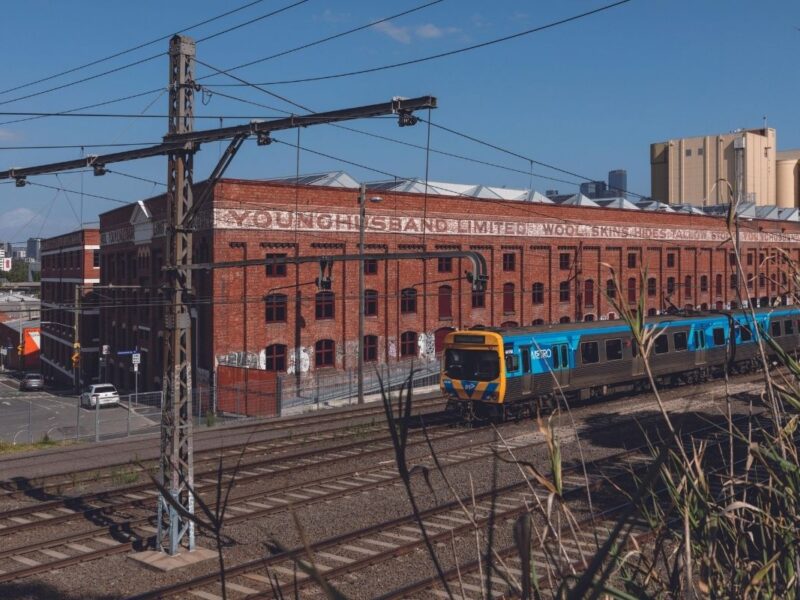
Today, it is estimated that 85% of Europe’s existing building stock will still be standing in 2050. This reality tells us one thing: constructing new buildings will become the exception. The real question will be: “This building already exists—what do we do with it?”
At this point, architectural practice is undergoing a fundamental transformation. Adaptive reuse architecture is no longer a trend, but is becoming the default approach. We are on the threshold of an architecture without new buildings era. This approach carries not only environmental but also social and cultural responsibility, and directly relates to circular design principles.
Material selection is also transforming in the same way. It is no longer merely an aesthetic preference, but a political and ethical decision. Material ethics, supply chain transparency, and embodied carbon are becoming integral parts of design. I need to understand the story behind every material I use and reflect it in the space.
The understanding of aesthetics is also changing. It is no longer only about visual form, but about how a space feels and what kind of atmosphere it creates for the user. Elements such as light, sound, air, and temperature are becoming measurable. Spatial atmosphere is becoming the new aesthetic language of architecture. This signals a radical shift in interior design as well.
Technology, on the other hand, forms the invisible infrastructure of this transformation. Artificial intelligence is no longer a “topic,” but a natural part of the design process. Humans and machines produce together. AI in architecture, generative design, and user experience simulation are becoming essential tools of design.
Cultural context is also being redefined. Locality is no longer a folkloric ornament; it is a tool for resilience, adaptation, and belonging. In the face of migration, the climate crisis, and social transformations, architecture has to reinterpret local identity within the framework of climate-responsive design.