
The New Language of National Pavilions at Venice Biennale 2026
At the Venice Biennale 2026 , what people notice most is no longer simply art, but positions. Which countries choose to speak, what they decide to make visible, and which issues they refuse to avoid now attract far more attention. The biennale has increasingly become a cultural stage where nations reveal how they want to present themselves to the world.
Pavilions are no longer only spaces of national representation. They have turned into cultural statements and, at times, spaces of public resistance. On a platform with the global visibility of Venice, artists and curators are not only producing work; they are also making clear where they stand. Much of today’s discussion around public resistance in contemporary art can already be seen across these pavilion structures.
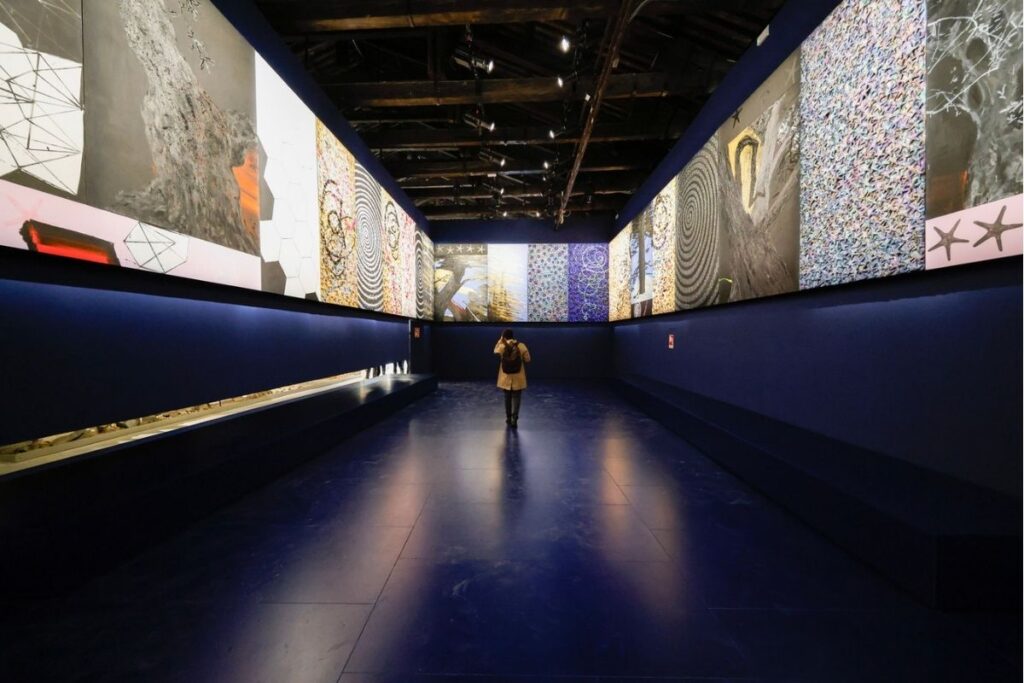
This is also where the difference between biennials and fairs becomes more visible. Fairs tend to revolve around physical production, objects and the market. Biennials, meanwhile, remain spaces where ideas circulate. People go there to encounter new ways of thinking rather than simply new objects. This is one of the reasons why the public resistance in contemporary art exhibition in Venice continues to attract global attention.
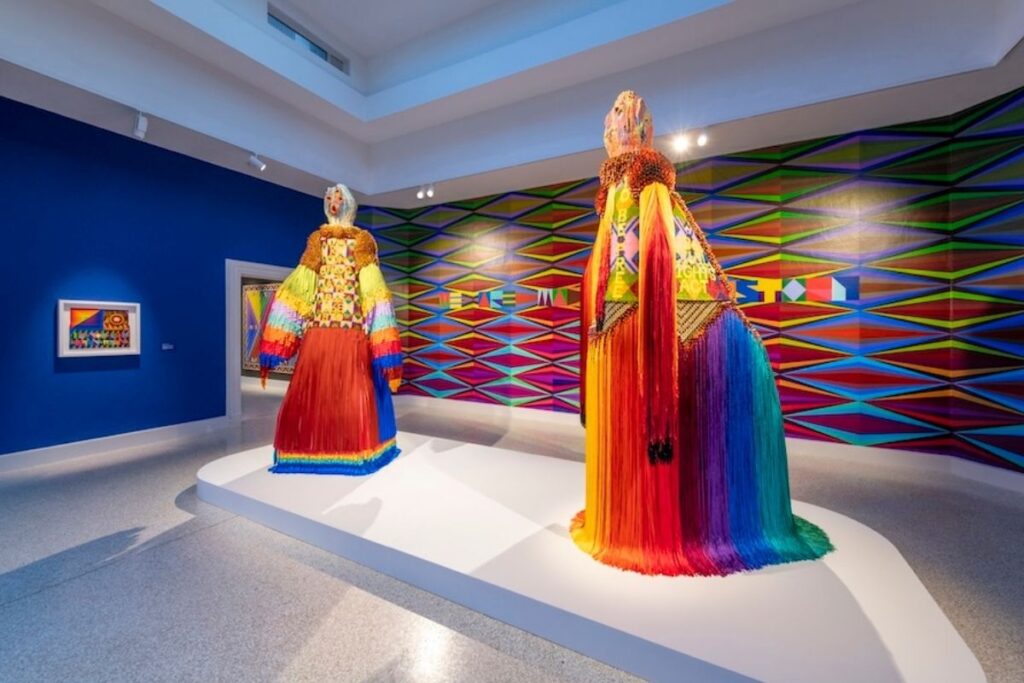
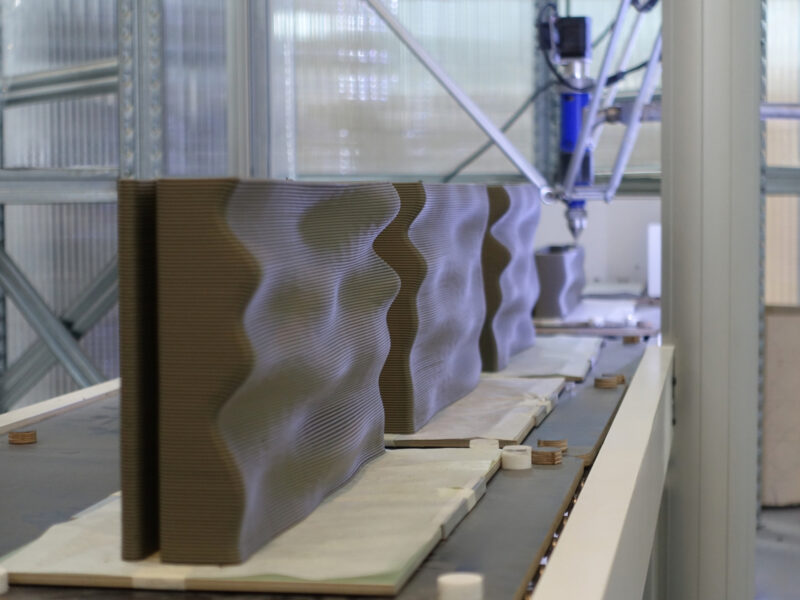
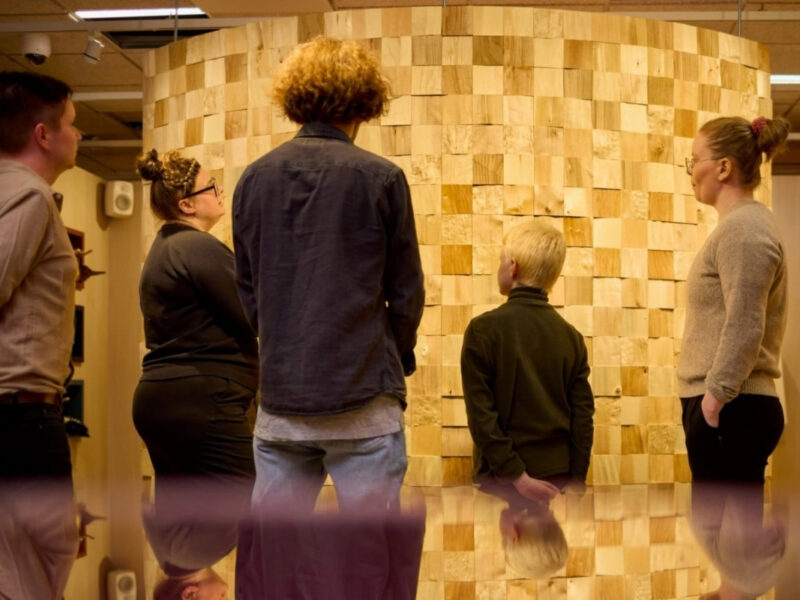
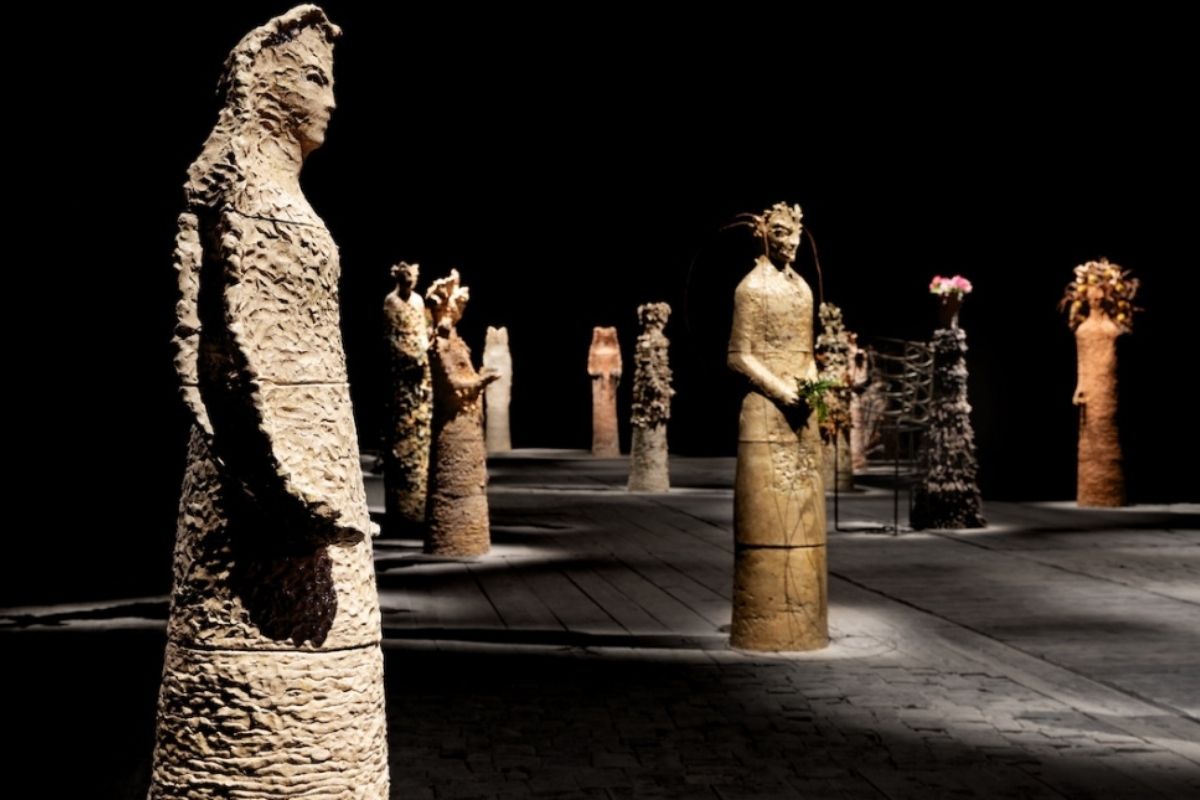
Many of the Venice Biennale national pavilions in the 2026 edition are built directly around cultural memory, identity and social issues. Jeffrey Gibson’s approach in the US Pavilion, the space Brazil gives to Indigenous communities, and the Netherlands’ critique of systems through agriculture and sustainability are not simply aesthetic choices. They also reflect wider questions surrounding cultural identity at Venice Biennale.
At times, the impact of the biennale extends beyond the exhibitions themselves. Protests, open letters and the growing political debates at Venice Biennale have increasingly become part of the biennale’s natural environment. For some audiences, this may feel uncomfortable. Yet it is also important to remember that art has historically served as a vital form of expression during periods of crisis.
Perhaps this is precisely why biennials continue to hold such influence today. These spaces are not only about viewing art. They also allow us to witness societies exposing their fears, tensions, memories and ideas about the future.
For this reason, the Venice Biennale 2026 remains one of the world’s most important cultural platforms today. Not simply because it produces art, but because it creates space for ideas to become visible.
Images courtesy of La Biennale di Venezia.
Photography by Marco Zorzanello, Jacopo Salvi and Timothy Schenck.