
Biological material production in furniture
Patricia Urquiola works on materials and production methods.
Andreu World is one of the manufacturers that progress systematically in this field, with a focus on biological material production.
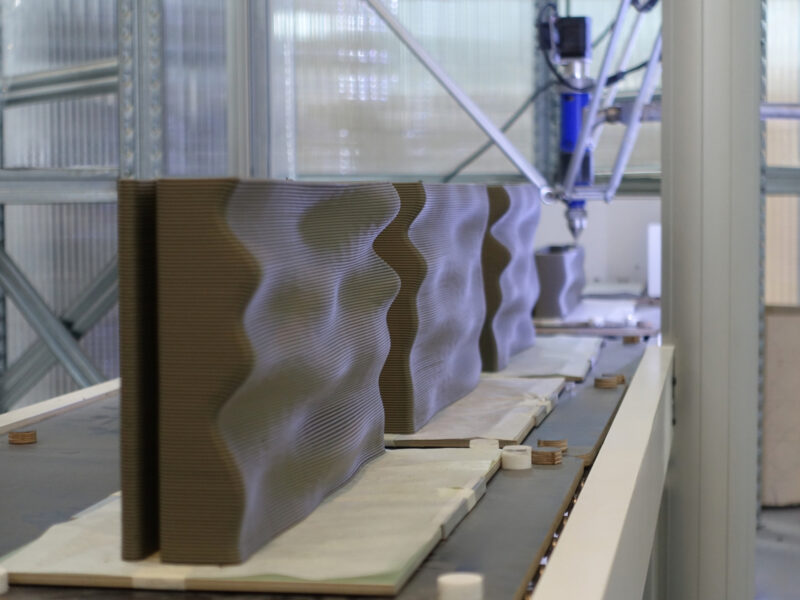
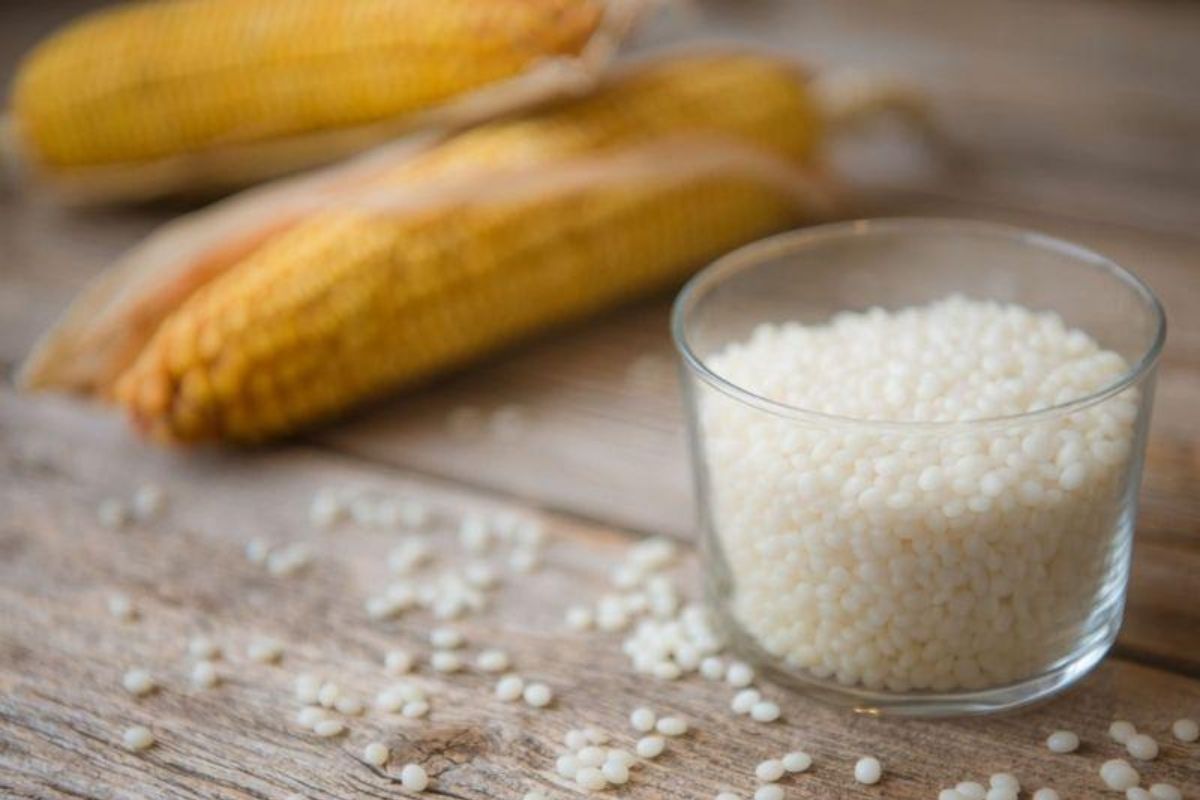
The company works with Philippe Starck, Jasper Morrison and Alfredo Häberli. The approach in these projects moves one step forward for the future of design.The material used here is not petroleum-based like conventional plastic (petroleum-free materials). Bio-based thermopolymers are produced from sources such as sugar and starch through microorganisms, supporting biological material production.
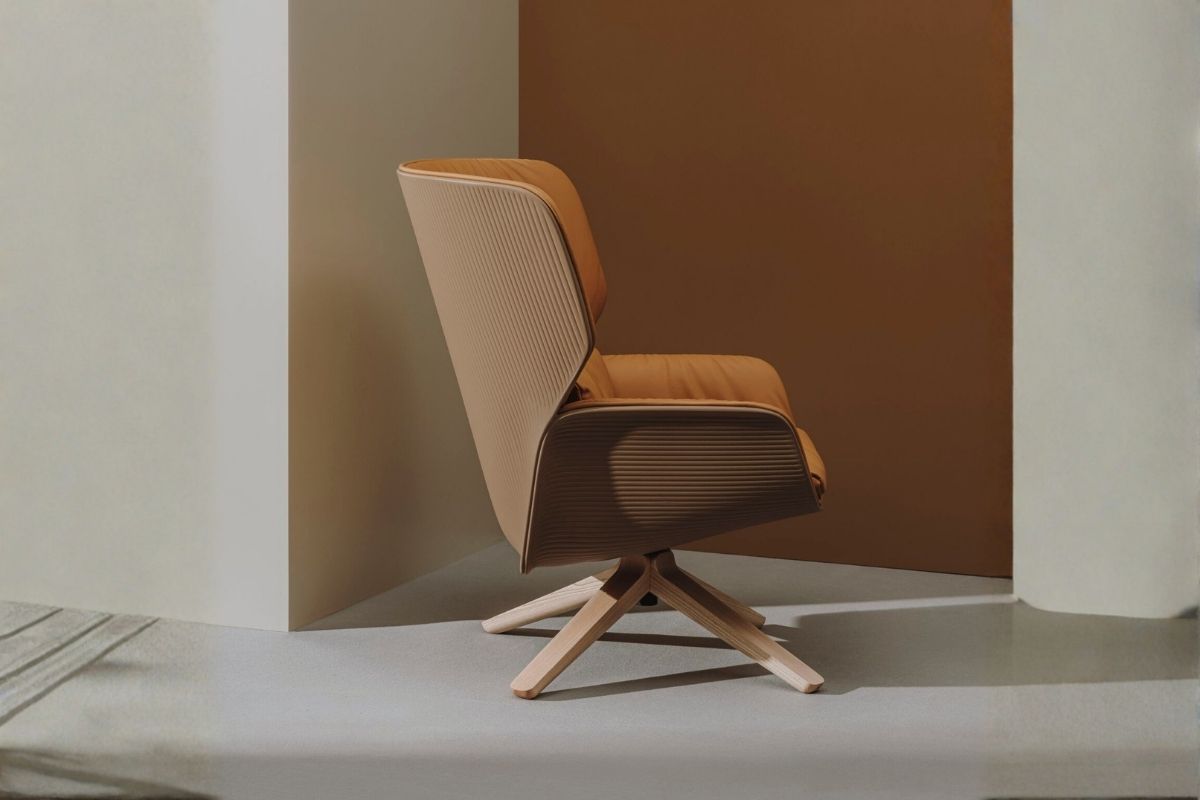
 This difference is important. Because in previous production, plastic is an industrial product, while here the production process shifts to a biological basis. This approach is applied especially in products such as Nuez Lounge BIO.
Furniture production is still largely relying on petroleum-based materials. These materials are creating a high carbon impact and are difficult to recycle. When the product life is ending, they are remaining as waste. The use of multiple materials is also making separation difficult, especially in systems that do not support circular furniture production.
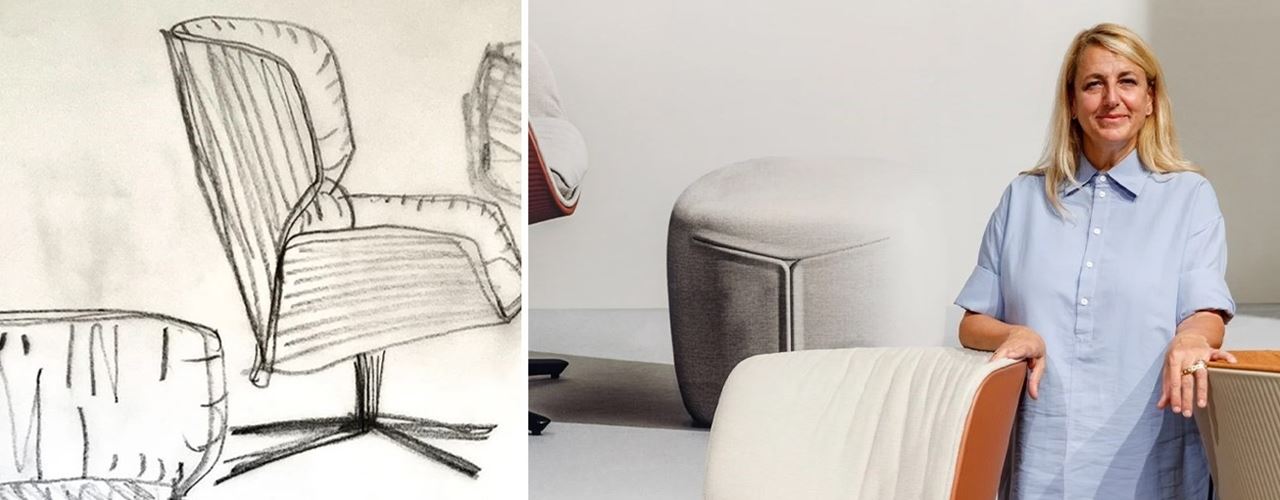 In this project, the material is produced through microbial fermentation (microbial fermentation materials). Production uses a biological process instead of a conventional industrial process. The product design follows this logic, parts are not glued, they separate easily and each component re-enters the system. This turns the product from a single object into a separable structure. It also matches circular furniture production and strengthens the role of microbial fermentation materials in design.
This approach shows a new direction but is not yet widespread. Cost remains high. The required infrastructure is not available everywhere. Still, an important change is visible. Design is not only about form, the source of the material, the production method and the lifecycle become the main subject of design, especially with the shift toward biological material production.
In the future, products are single-material or separable systems and rely on biological or regenerative resources. After use, they do not become waste, they become input for new production. This changes the role of the designer and reduces dependency on petroleum-free materials while supporting circular furniture production.
In the long term, as regulations, cost optimization and material technology develop, the biological production model becomes the main line of the industry.
At this point, the issue is not aesthetics. It is which production system is sustainable.