
Urban Continuity Through Architecture – Laiva Plaza
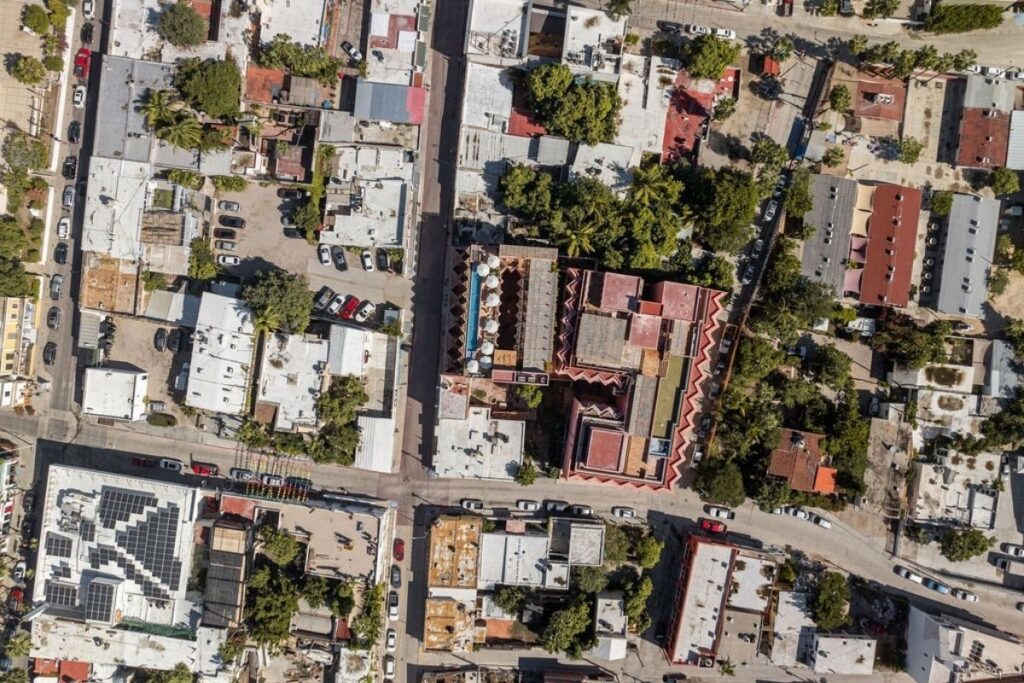
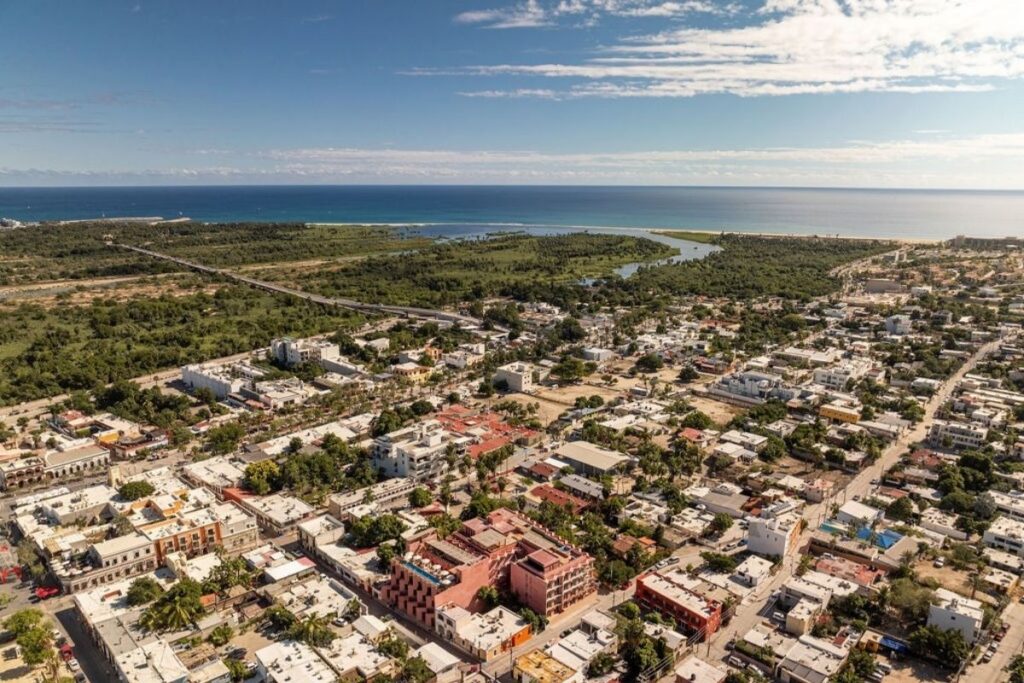
Residential buildings in San José del Cabo carry traces of Spanish colonial urban planning. This urban continuity can still be seen in the city’s streets, courtyards and public spaces today.They are generally low-rise and have a horizontal architectural character.
Arched passageways, inner courtyards and vibrant colours are important parts of the urban fabric. Due to its geographical location on the Baja California Sur peninsula, the city developed differently from mainland Mexico for centuries. The city’s main unifying elements are not the grandeur of buildings, but the shade created along the streets, the breeze and the vibrant colours freely changing across residential facades.
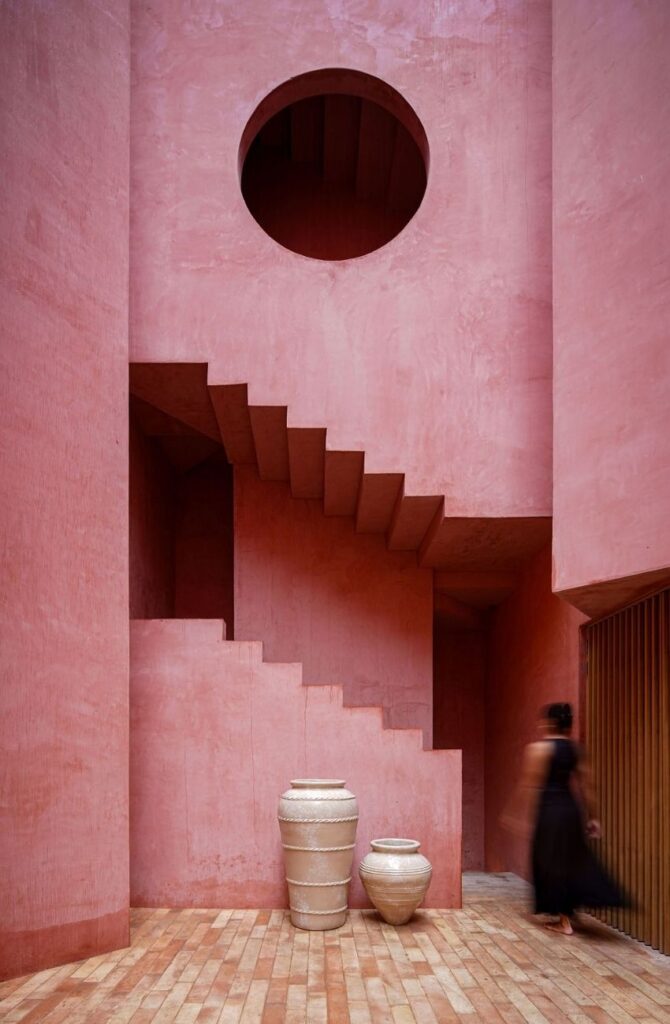
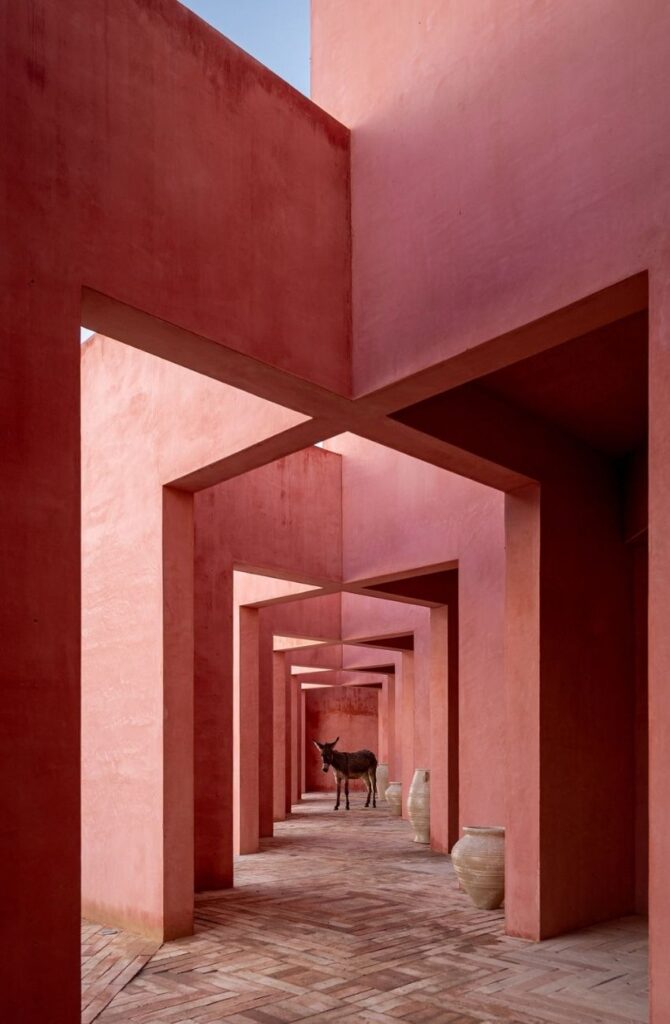
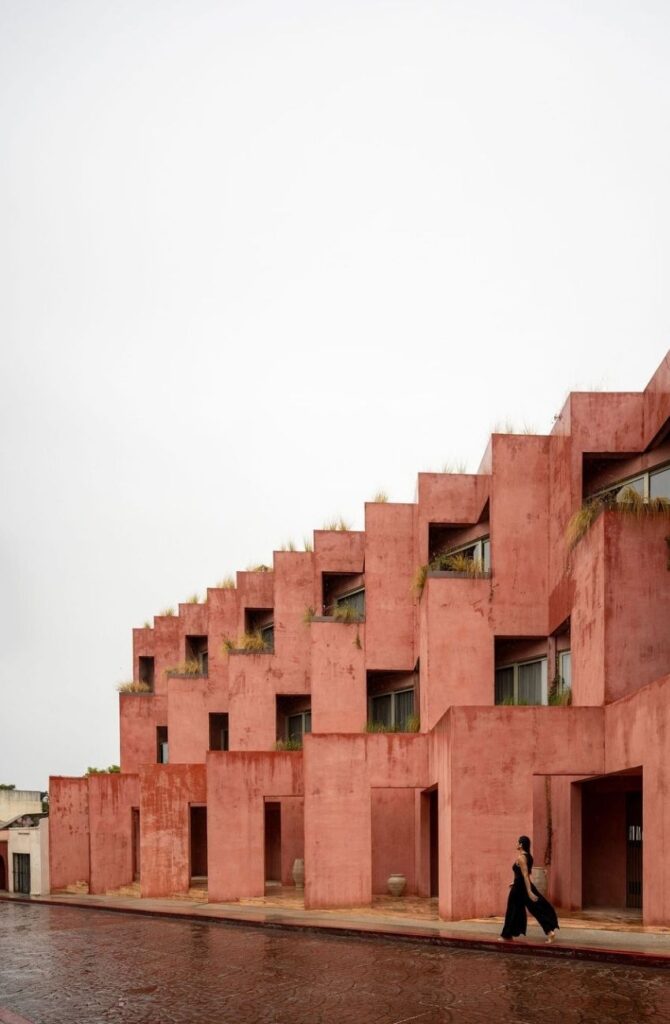
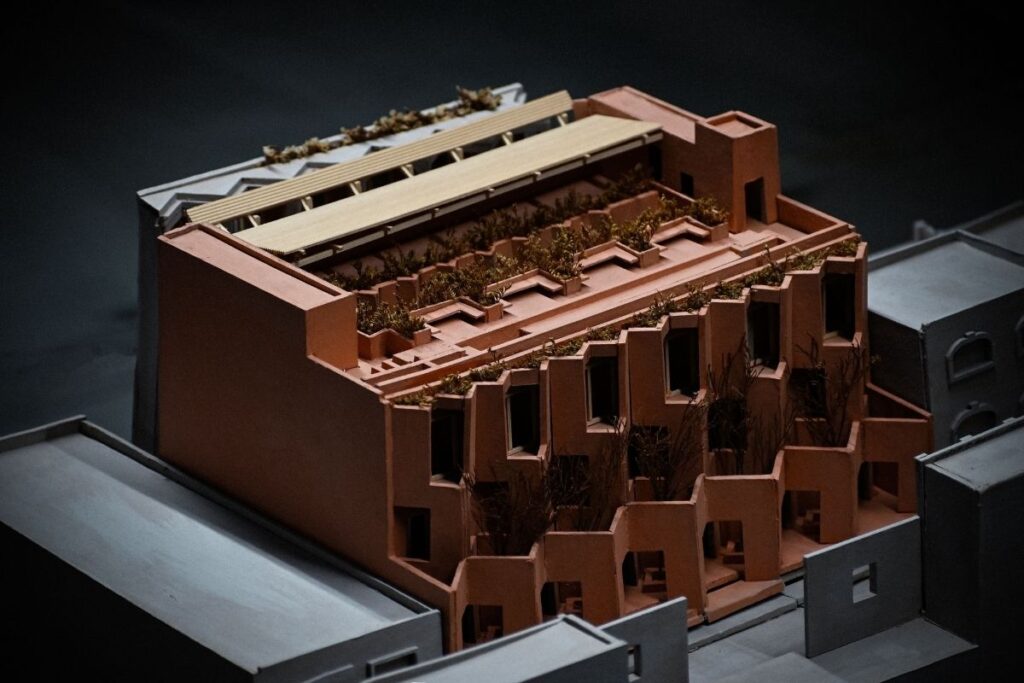
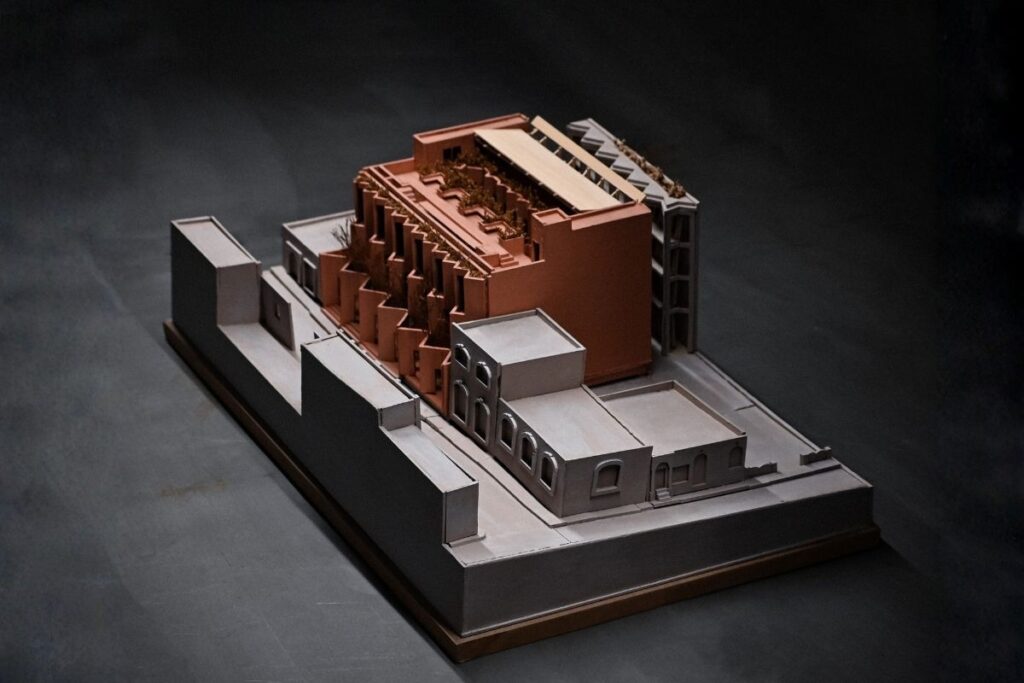
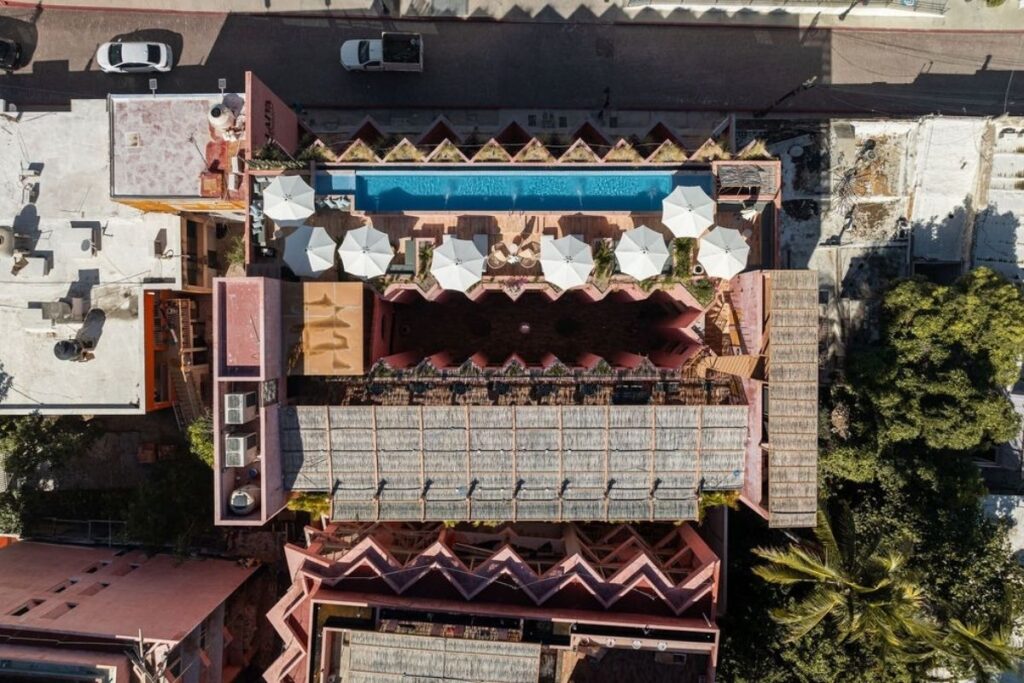
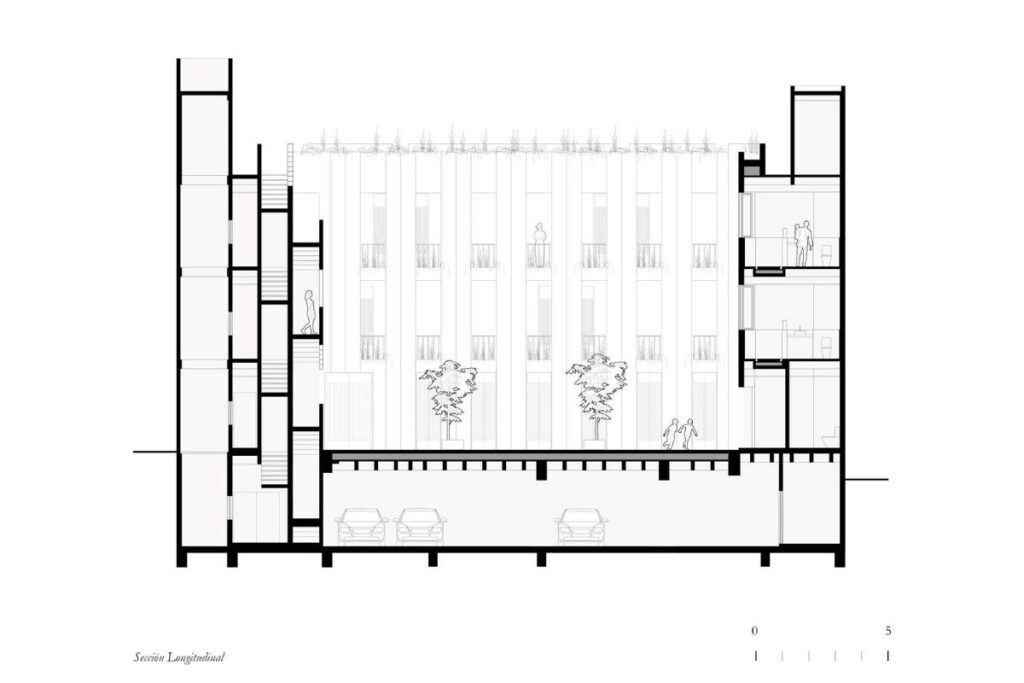
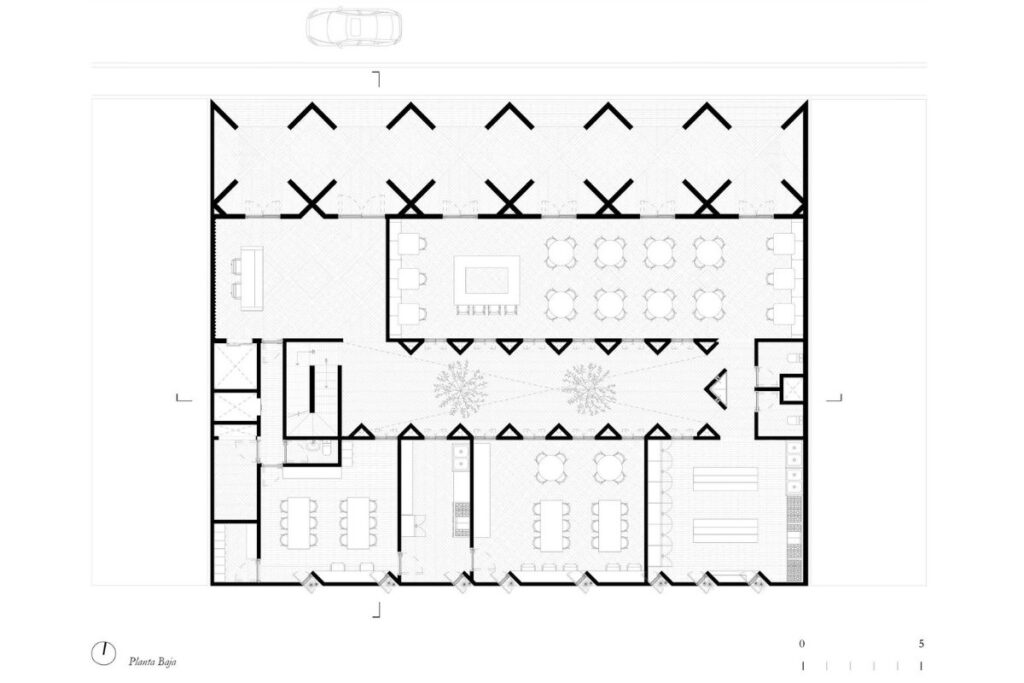
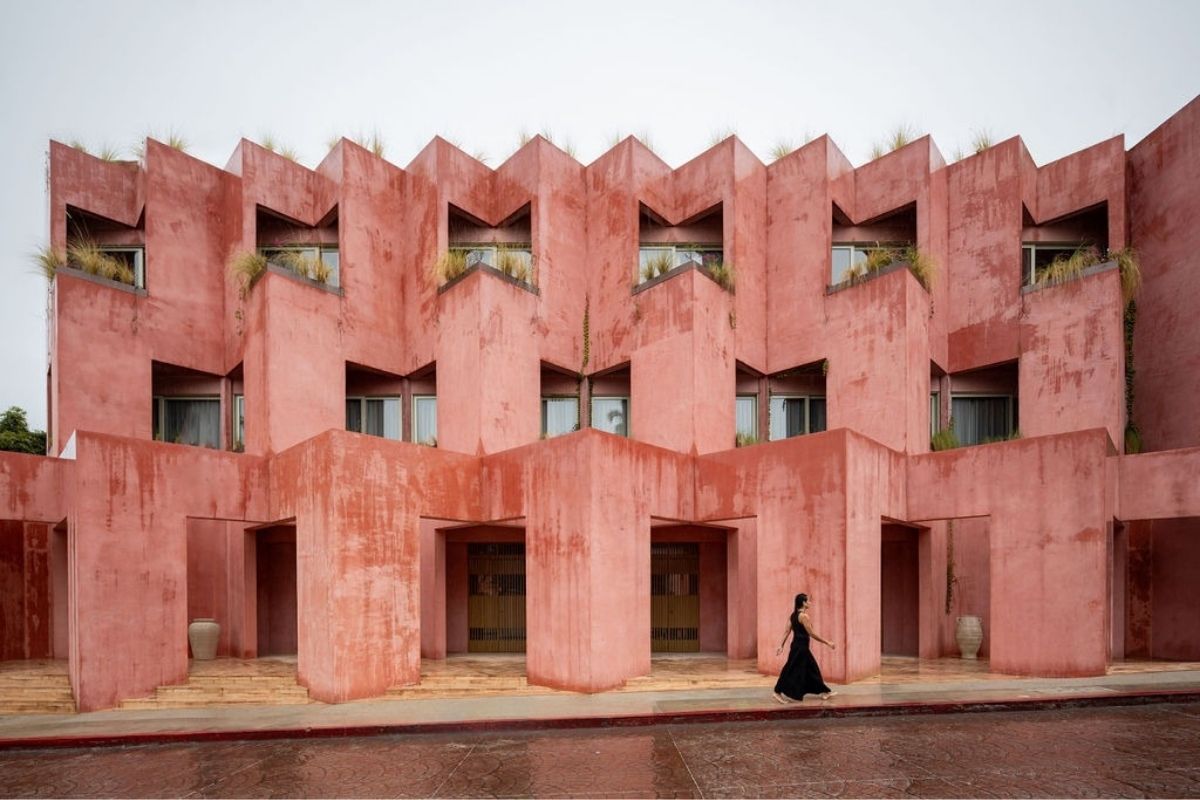
RA! designed Laiva Plaza in San José del Cabo. The project approaches the hotel not as an independent object, but as a continuation of urban continuity. Carrying a warmth parallel to the historical and urban character of the region, the building steps back from the street, creates a shaded atrium and works as a transitional space open to public use. Pedestrian movement, airflow, daylight and social encounters come together within the same system.
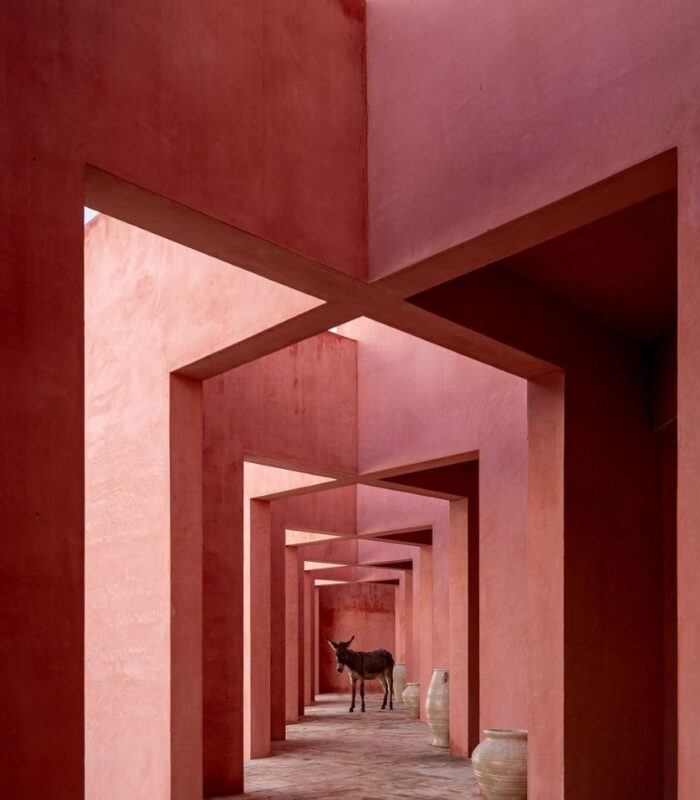
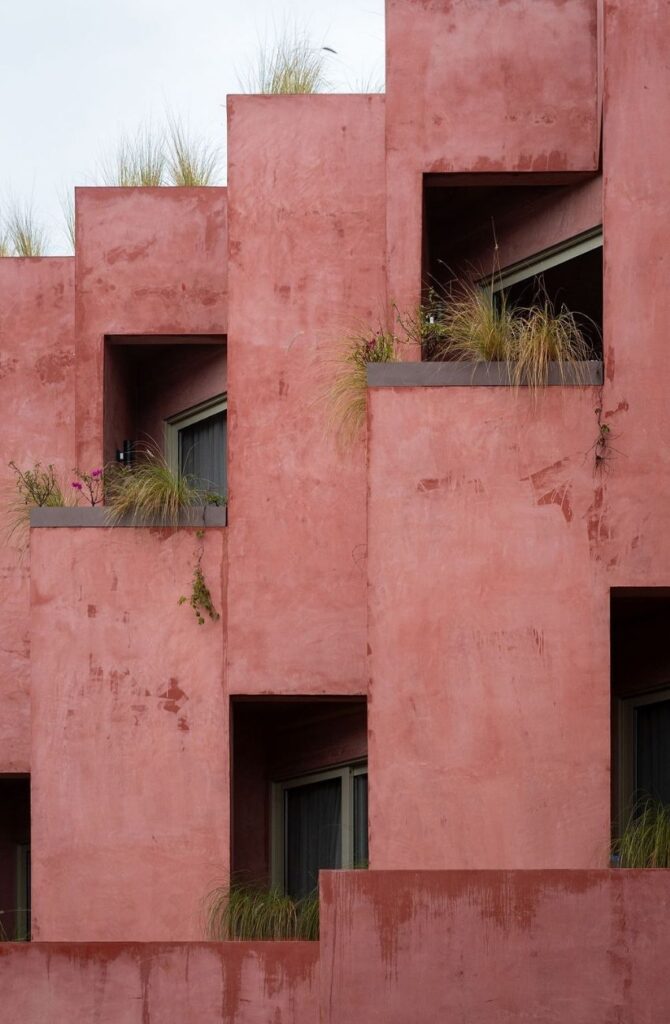
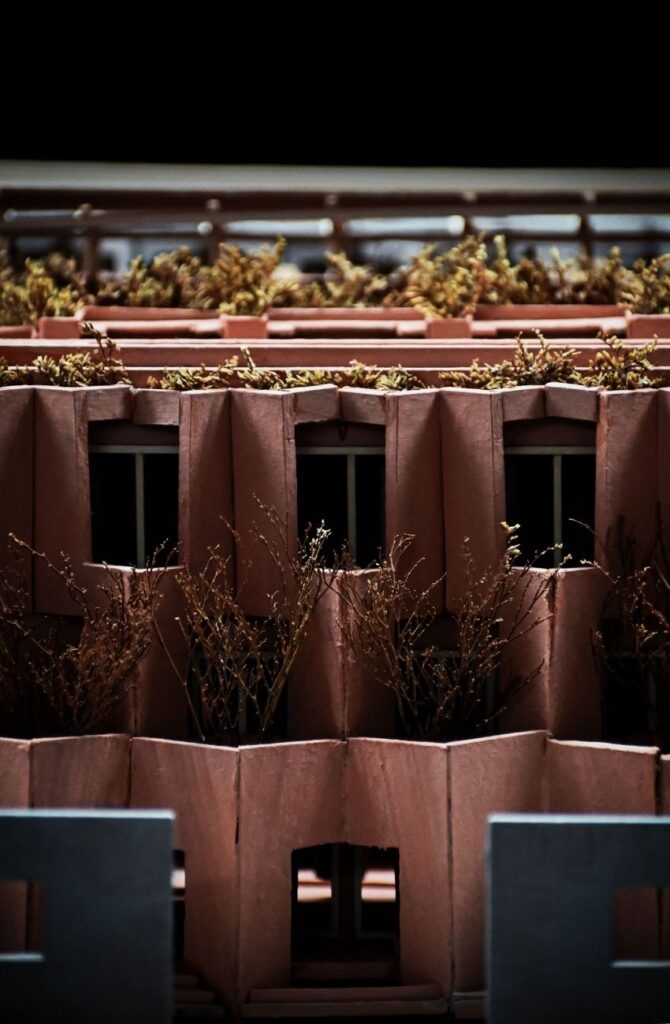
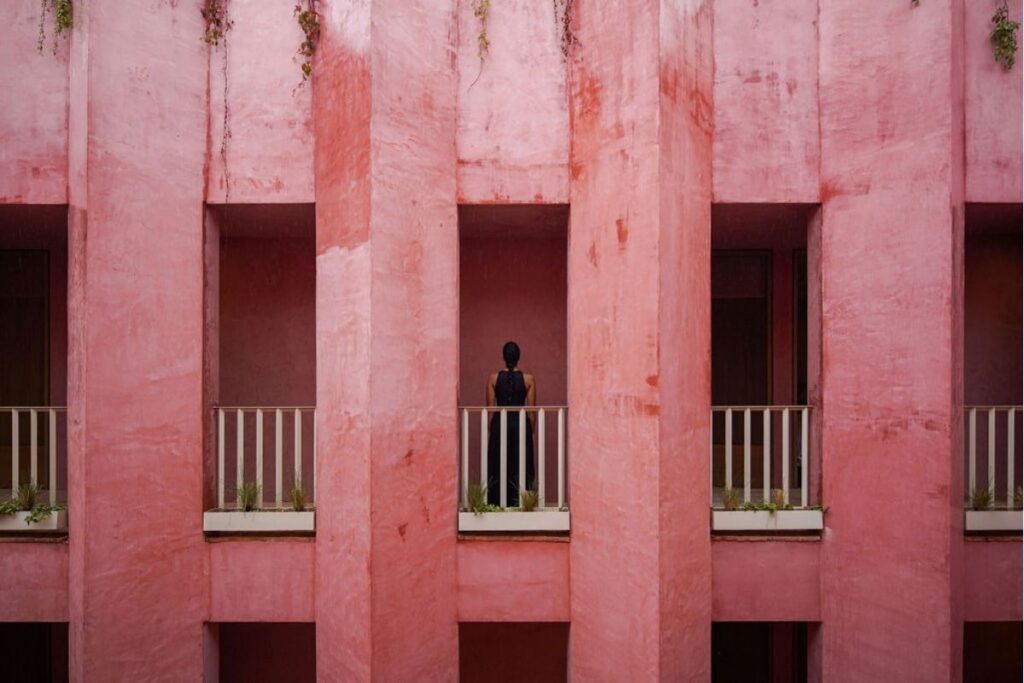
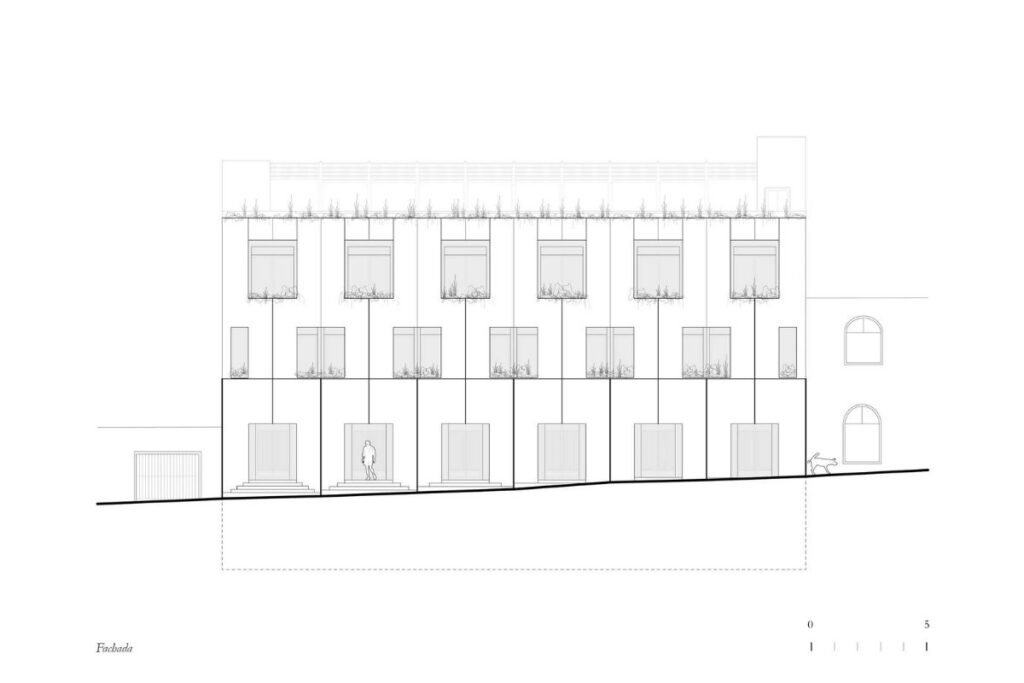
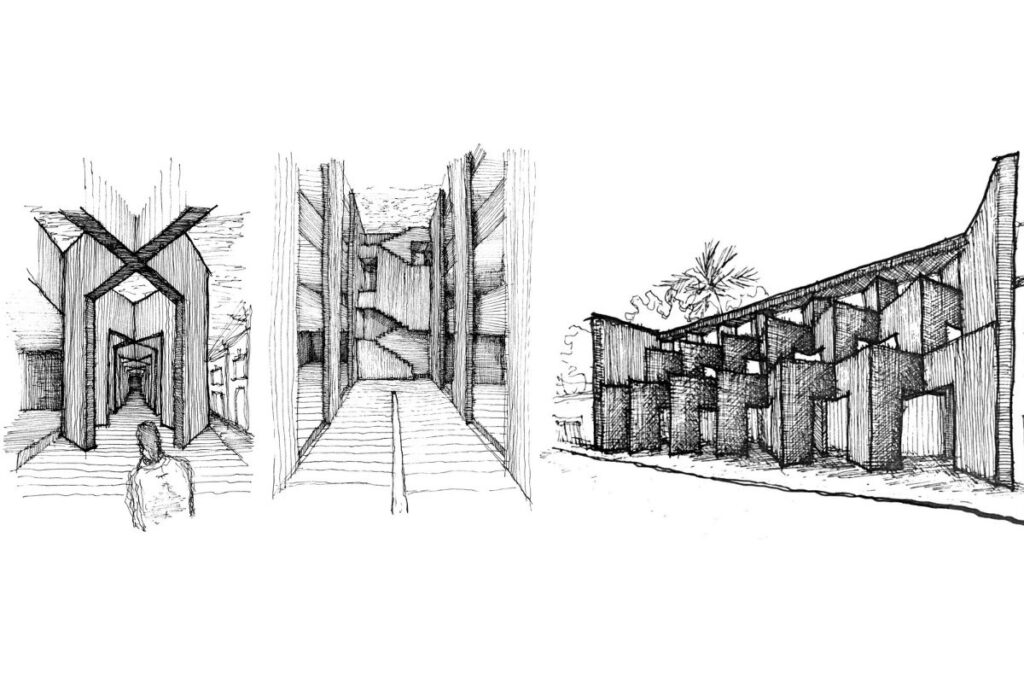
Three-dimensional depths, rhythmic vertical voids, window proportions and interwoven wall compositions used on the facade are helping the building create its own shade. This approach is helping control daylight while also supporting natural air circulation.
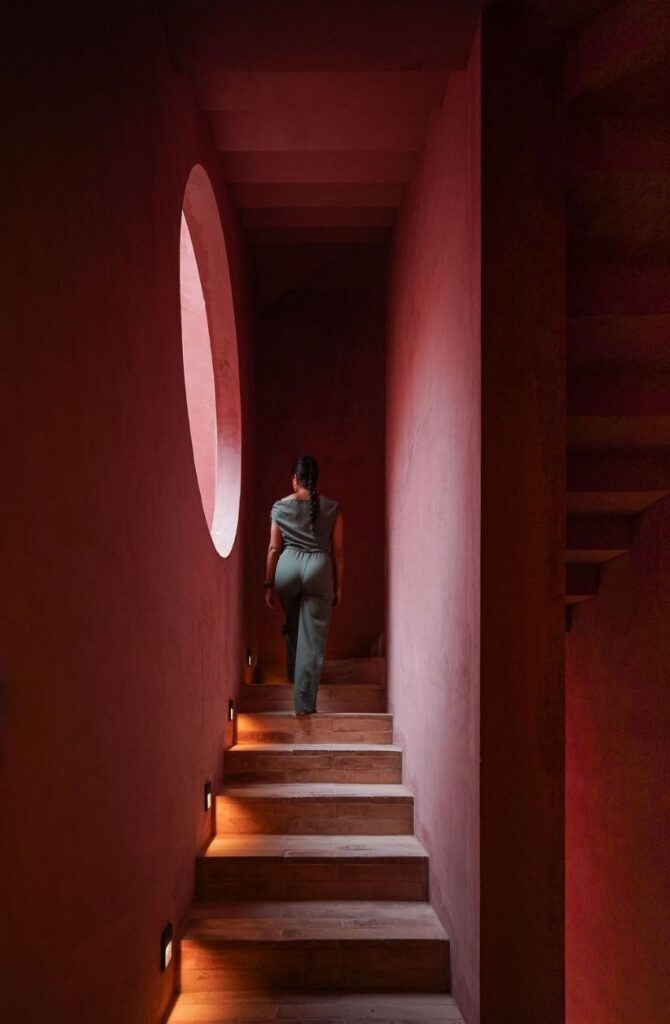
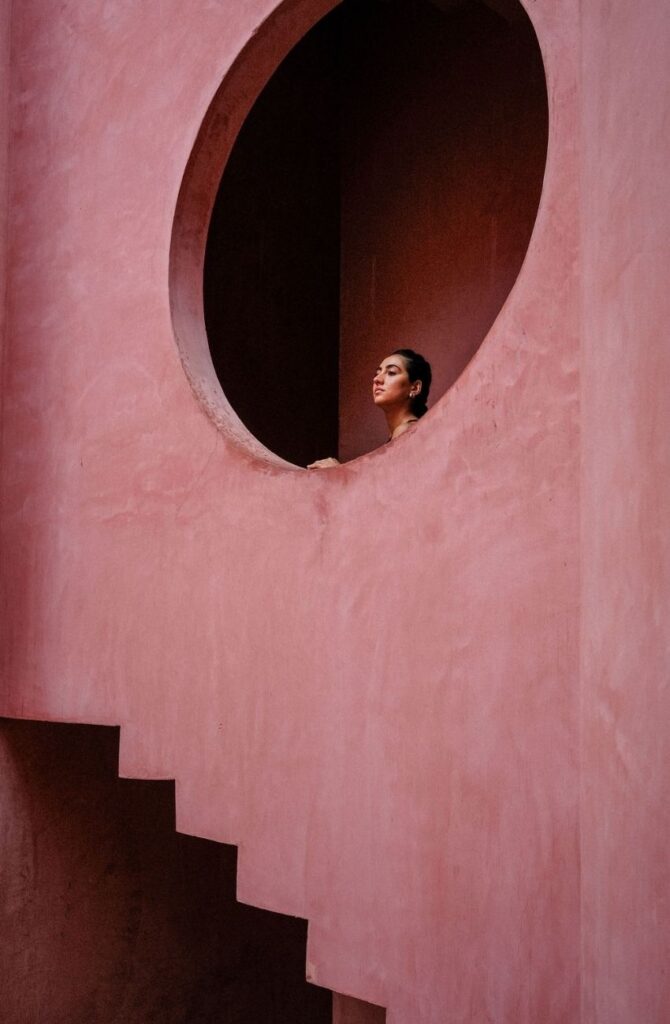
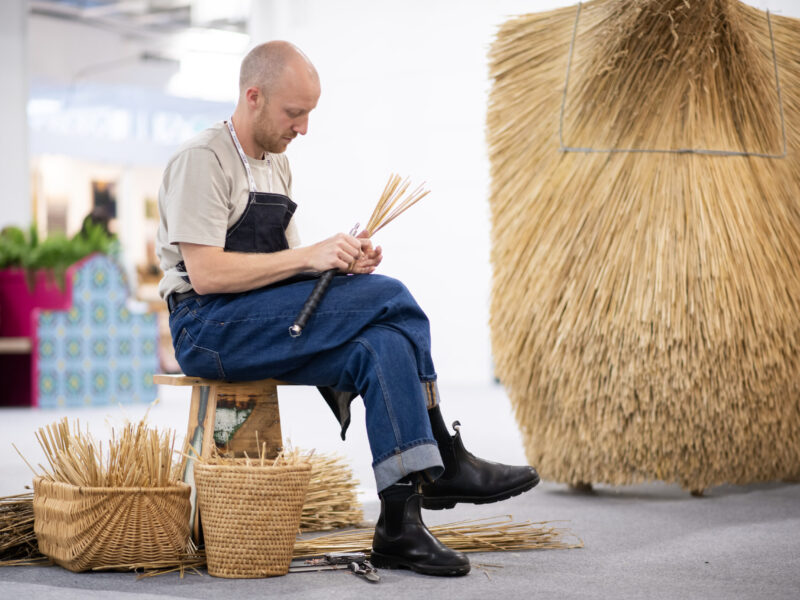
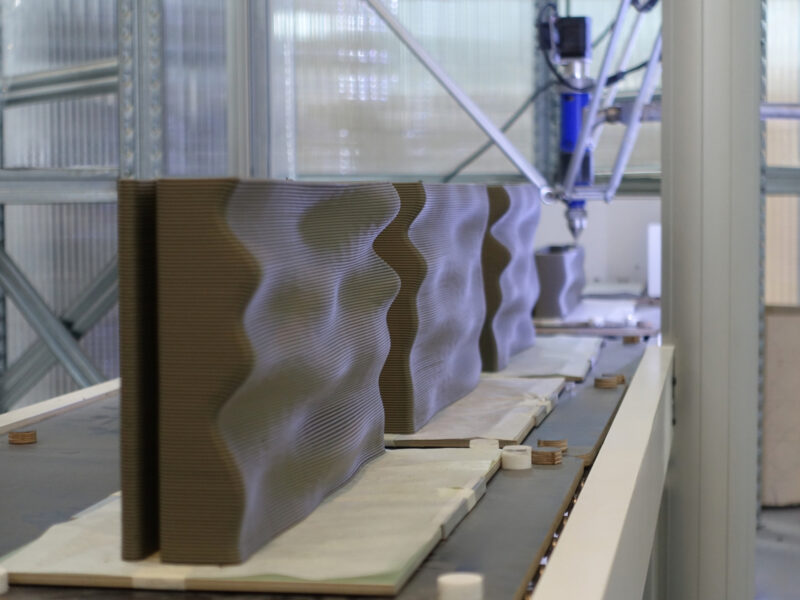
The building’s material and colour palette is carrying a warmth parallel to the earth and terracotta tones found throughout the streets of San José del Cabo. Handcrafted clay tiles are appearing in the entrance hall, floor surfaces and circulation corridors. A handcrafted coral-red stucco finish continuously wraps both the interior and exterior walls, strengthens the warmth of natural materials and gives the building a distinctive surface character.
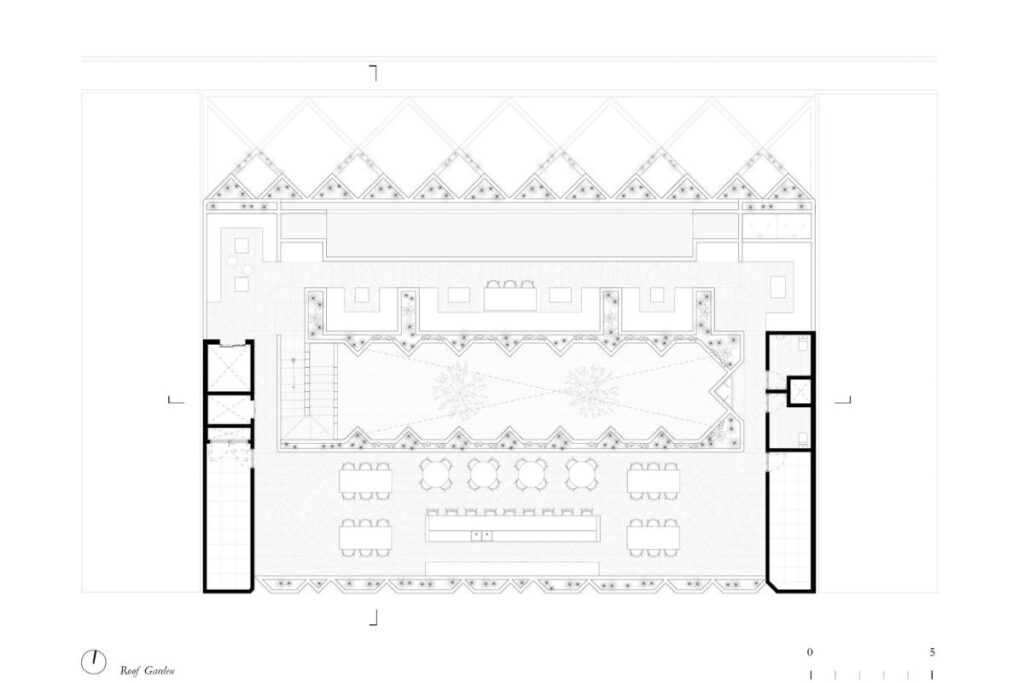
Laiva Plaza is showing how ecological and urban continuity systems work together through spatial organisation. The atrium at the centre of the building is playing a key role in the passive ventilation strategy while helping daylight reach deep into the interior. The design team is using cinematic storytelling and storyboard techniques throughout the design process. The spatial sequence moving from the street to the atrium and from the atrium to the terraces can be read as one of the project’s counterparts to this approach.
Project Information
Architecture Firm: RA!
Location: San José del Cabo, Baja California Sur, Mexico
Client: Grupo Laiva
Project Type: Boutique Hotel, Commercial and Public Space
Design Partners: Santiago Sierra, Pedro Ramírez de Aguilar, Cristóbal Ramírez de Aguilar
Design Team: Valentina Oregón, Carlos Fuentes, Oscar Salazar, Daniel Martínez, Andrés Rubín, Mateo Macouzet, Gustavo Cortés
Structural Engineering: DDOZ Structural Engineering
MEP Engineering: Grava (Eng. Antonio Villarreal)
Electrical Engineering: Eng. Eduardo Martínez
Completion Year: 2026
Total Area: 1,557 m²
Photography: Oscar Hernández
Design Strategy
• Porous block organisation
• Terraced volumes
• Urban catalyst approach
Sustainability
• Natural ventilation supported by architectural stack effect
• Recessed ground-floor atrium functioning as a pre-cooling zone
• Self-shading facade formed by interwoven stucco walls
• Reduced dependence on mechanical HVAC systems through passive design