
Biomaterials No Longer Hide Their Process
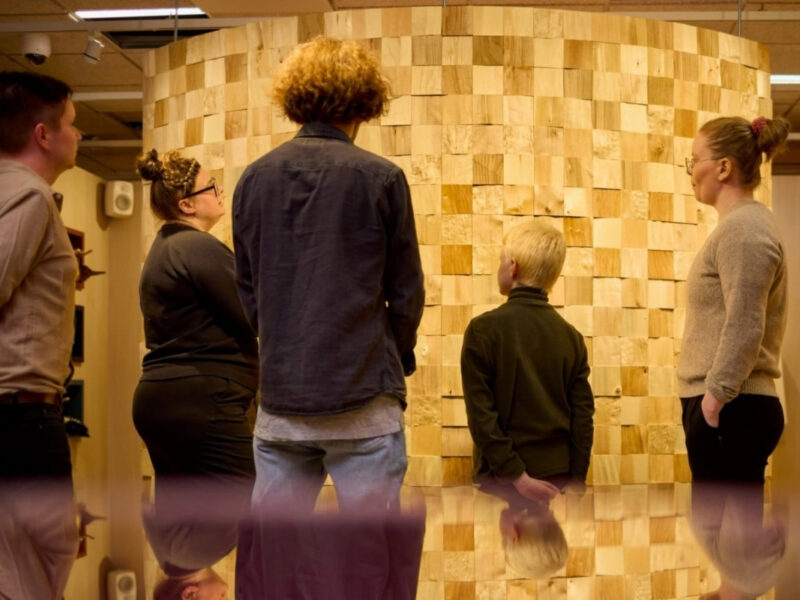
Set to take place this June, Material Matters Copenhagen 2026 will be one of the year’s most important material-focused design events. Biomaterials in design, natural fibres, surfaces developed with agricultural waste and raw designs presented in full visibility will be discussed much more as the future materials of the coming years.
Sustainable design has remained at the forefront over the past few years. However, at this year’s fair in Copenhagen, instead of more perfect and fully controlled surfaces, future materials that clearly show process and do not hide the character of their production are coming to the forefront.
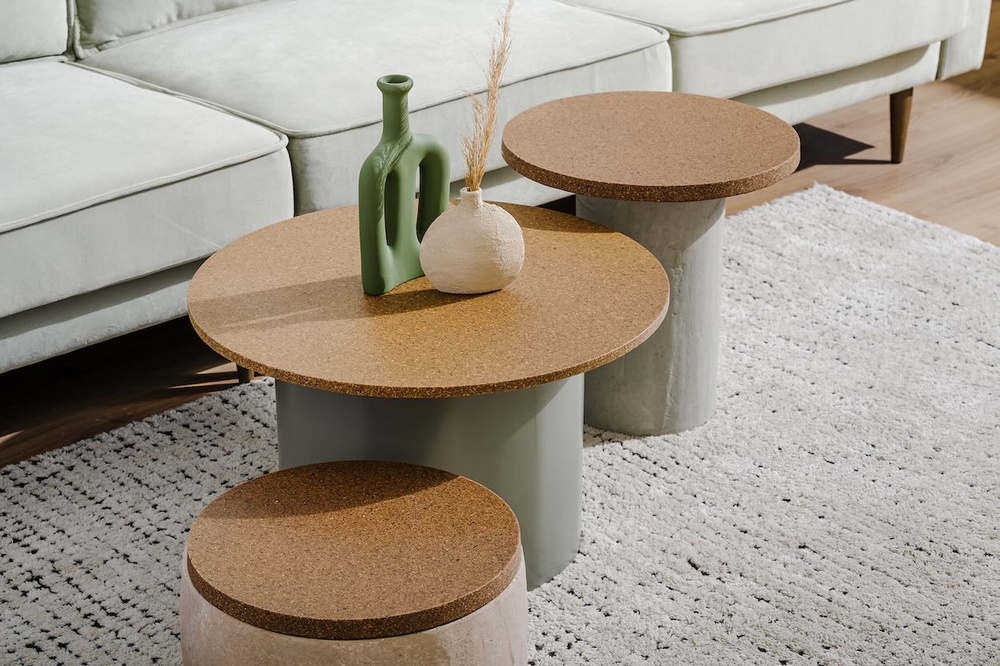
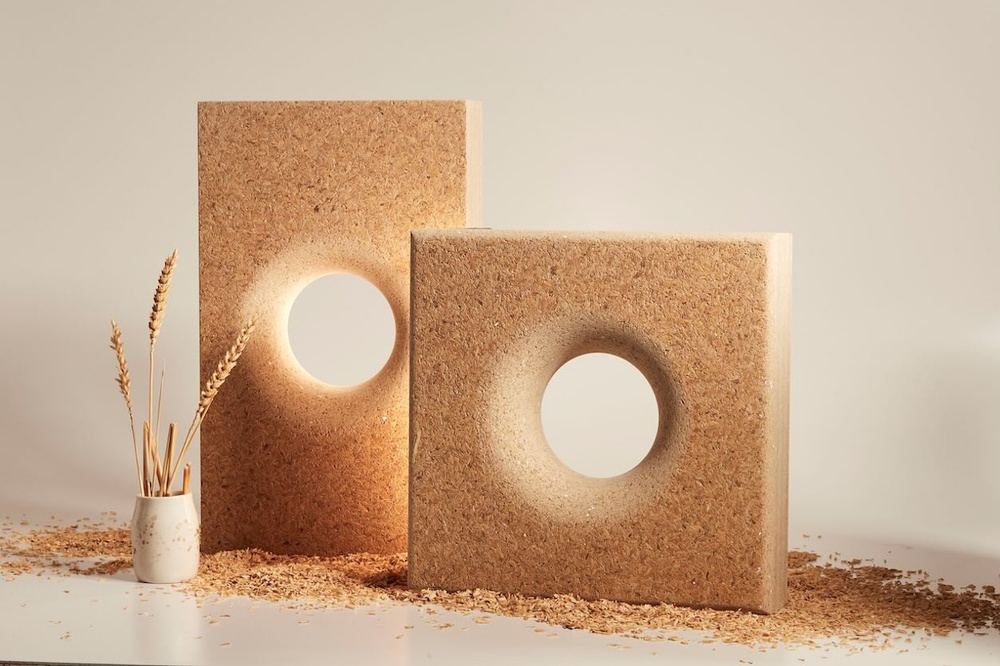
Participants including Birdmind, Pit-To-Table and Bundle Studio are particularly focused on biological production processes. Topics such as agricultural waste, natural fibres and bacteria-based pigment systems are also strengthening the growing “low processing” approach in recent years. Material innovation is once again at the forefront.
Behind these systems, there is actually a wide production network. Agricultural waste supply chains, local production models, laboratory processes, engineering teams and digital production technologies are all part of the same structure. Many studios focused on biomaterials in design are no longer solving the production process only within the design office itself; they are moving forward together with local producers, waste management systems and research laboratories.
At this point, the logistics side of the process also stands out. In a circular economy, where the raw material comes from, how it is stored and how close it is to production also matters. Especially working with local agricultural waste could become much more important in reducing carbon footprint in the coming years.
In these projects, digital production and biomaterials work like a team. With 3D printing systems and experimental moulds, natural fibre-based materials can now be processed with much more detail. And materials are no longer being hidden.
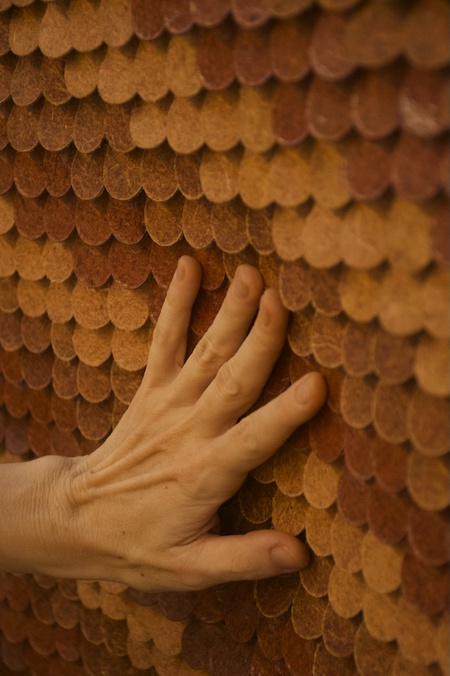
Perhaps the most striking change is happening here. For a long time, technology promised perfection, smoothness and invisibility. Now, however, the design world is creating rawer and more tactile surfaces.
Surfaces are processed by hand, the natural texture of the material is preserved and the details that emerge during production are intentionally left visible. There is serious craftsmanship there.
In the coming years, biomaterial research will begin moving into broader interior and architectural systems, and this will become one of the important transformations of the next few years.
Photo Credits :materialmatters.design