
Slow Finland and the Long Life of Design
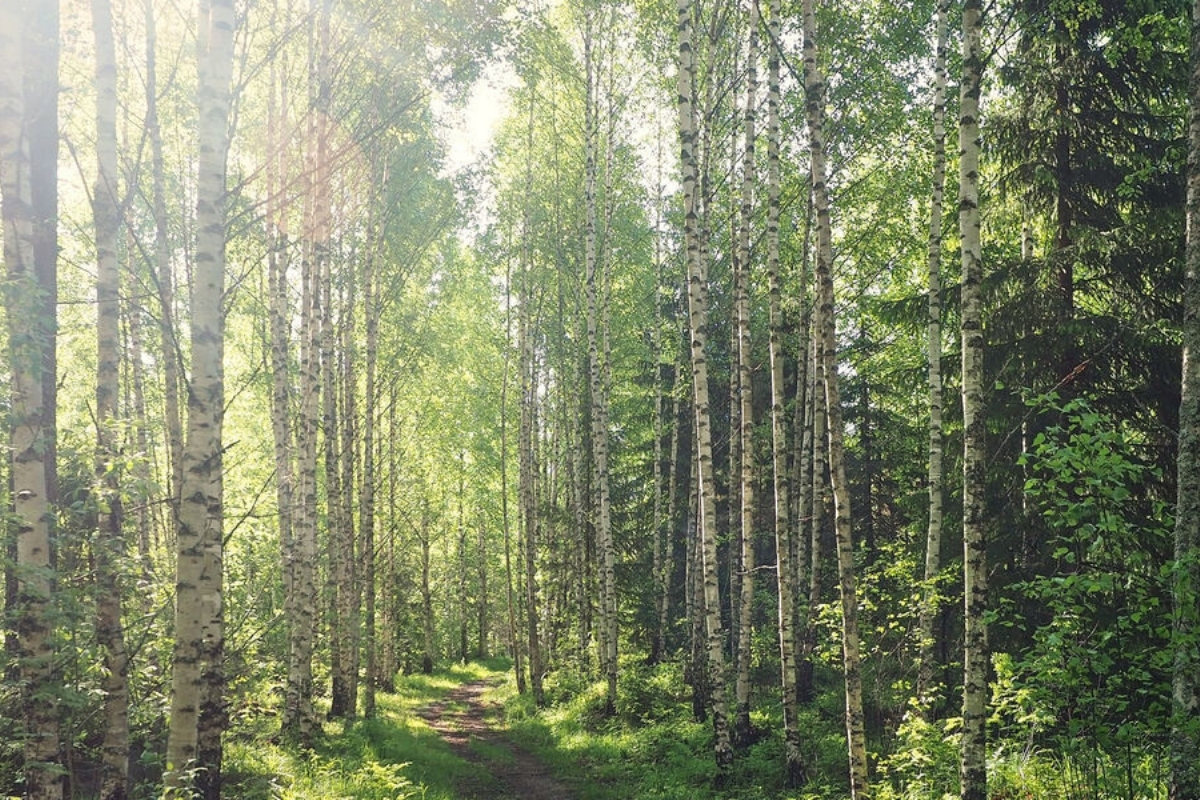
Slow Finland begins with a simple contrast. A pine tree takes around a hundred years to grow. A piece of furniture goes out of fashion in a few years.
In Finland, design has long known the difference between these two timescales. Here, wood starts in the forest, moves through production and enters people’s lives as part of a long process. That is why looking at Finnish design only through the finished product is not enough. Where the tree comes from, how it is processed and how long the product will live also matter.
Today, the idea of Slow Architecture, which the worlds of architecture and design are discussing again, can also be read from here.
A building’s ageing is not the end of its story.
Time has an important place in Juhani Pallasmaa‘s writings on architecture. He considers changing light, ageing surfaces, the texture of materials and the relationship people develop with a space over the years.
This way of thinking can still be seen in Finland’s design culture today.
At Helsinki Design Week, the city itself is part of the programme. Exhibitions, talks, open studios and public events discuss how design lives in the city.
Artek, too, has been continuing with the same mission for years.
How long can a furniture item live?
On the brand’s 2nd Cycle platform, Aalto furniture from the 1930s is being reused. The platform started in 2006; old furniture was collected from flea markets, factories, schools and shipyards and offered for sale again. The first Artek 2nd Cycle store opened in Helsinki in 2011.
Despite the many years that have passed, the fact that these products are still in use shows an important aspect of Artek’s approach to design.
A design’s life does not end on the day it is produced.
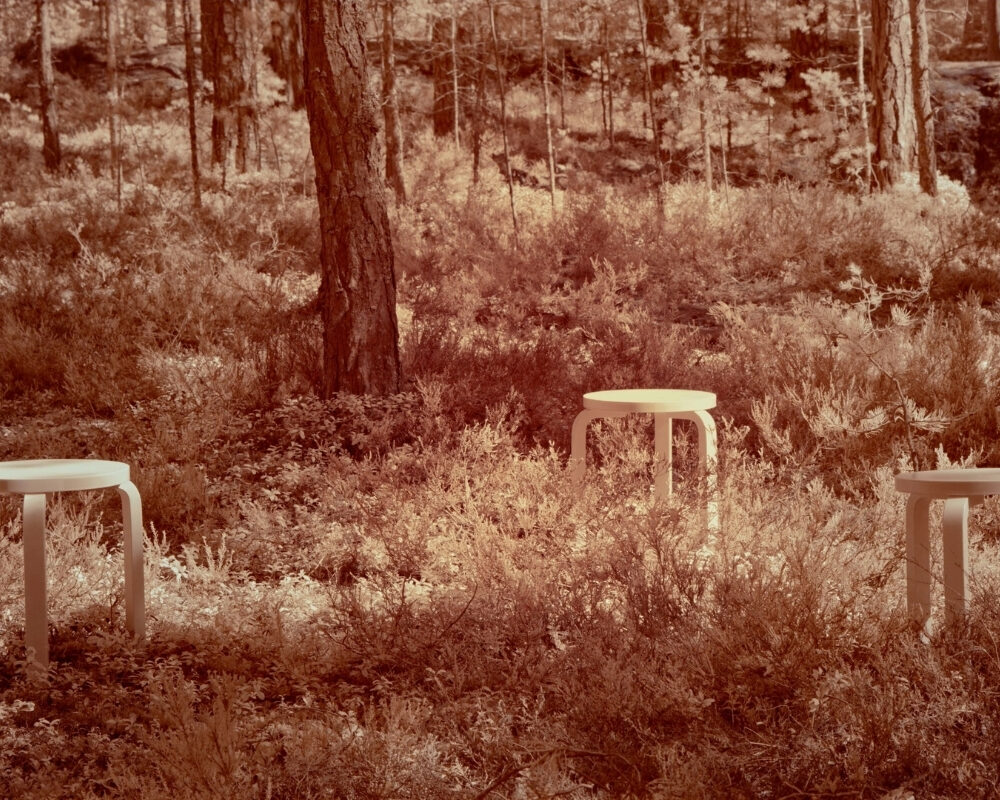
The Wild Birch research carried out with Formafantasma takes the same question to the tree itself.The collaboration began in 2020. Artek’s previously strict criteria for selecting birch were reconsidered. With the new selection that began with Stool 60 Villi in 2023, wood knots, traces of insects and natural variations in colour are no longer hidden. In 2024, the approach was extended to the Forest Collection. The birch trees used are between 50 and 80 years old and come from the same forest region in central Finland.
There is a small but important change here.The imperfections of the tree are not removed from the product.They become part of it.
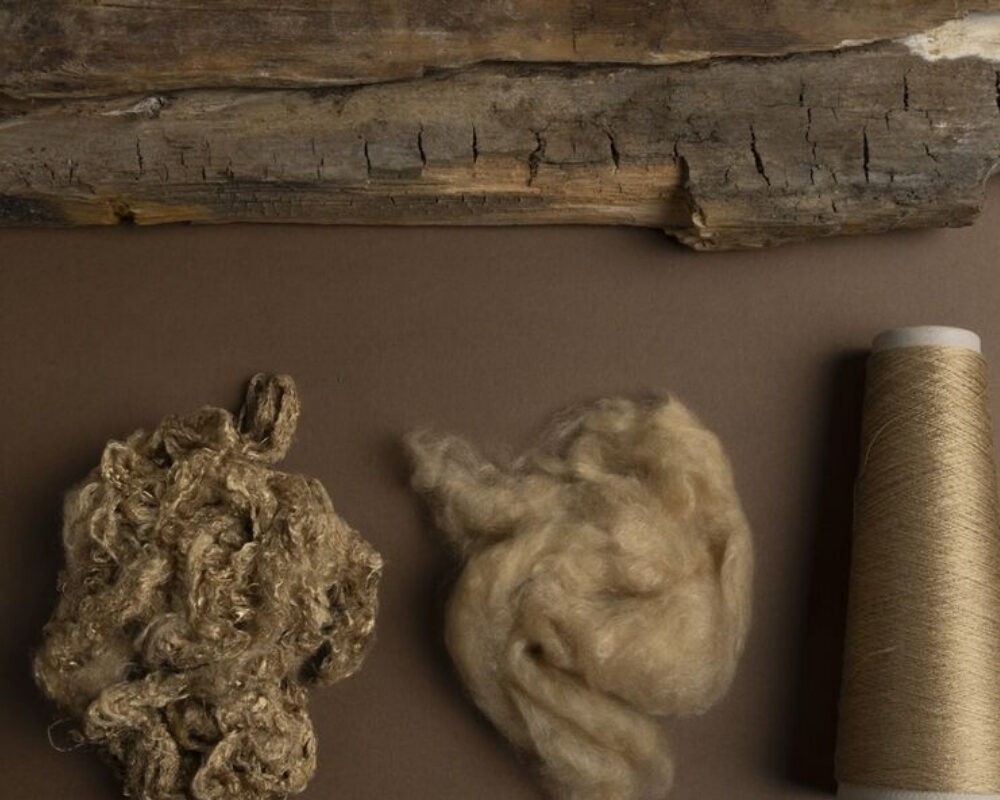
This culture of research also continues in universities. Aalto University’s Designs for a Cooler Planet programme has been exploring new materials, production methods and the future of design as part of Helsinki Design Week since 2018. Its programme, which begins in September 2026, includes new uses of wood in architecture, bio-based materials, plastic alternatives made from seaweed, and colours produced from agricultural waste.
If a pine tree takes decades to grow, is it really inevitable that an object made from it should become worthless after just a few seasons?
This is where Slow Architecture becomes interesting in Finland.
It is not about building more slowly. It is about making design decisions by looking a little further ahead.
At the tree.
At the material.
At the ageing of the building.
At the life of the user years from now.
Today, different institutions and designers in Finland are working around these questions. Helsinki Design Week looks at the city. Artek looks at the life of the product and the forest that produces it. Pallasmaa looks at the experience of space over time.
They do not all say the same thing. But they bring the same question back into the conversation:
Should we measure the value of a design on its first day, or years later?
Perhaps this is what Slow Finland is really about.Not how quickly something is produced.But how long it can remain with us.
How can this system withstand a world built around rapid consumption?
All these sources remind us that the value of design should be sought not in speed, but in longevity. If a pine tree takes decades to grow, the fact that an object made from the same material becomes worthless after just a few seasons should not be an inevitable consequence of this market.
At DWN, we aim to bring this perspective into the international industry debate and to make a long-lasting and conscious approach to production visible on a global scale.
Slow Finland
Image Credits: Artek