
Ious Studio Builds 3D-Printed Ceramic Hub In Buenos Aires
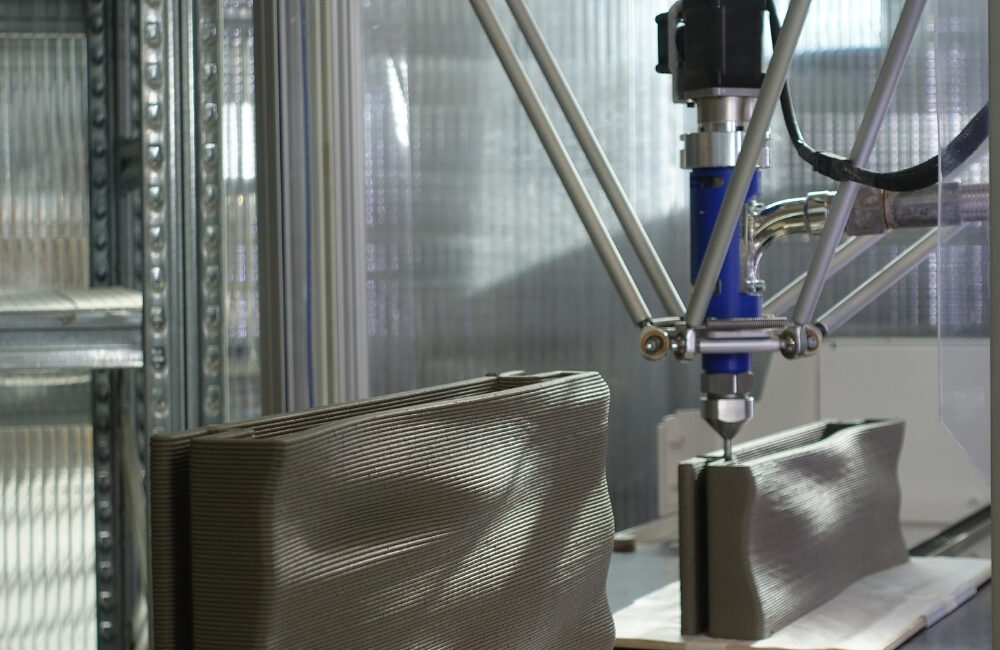
IOUS Studio, which went to WASP’s ceramic printing farm in Italy in 2024 to expand its production capacity for 3D-printed ceramic components, returned two years later with second prize at the 2026 SaloneSatellite Award.
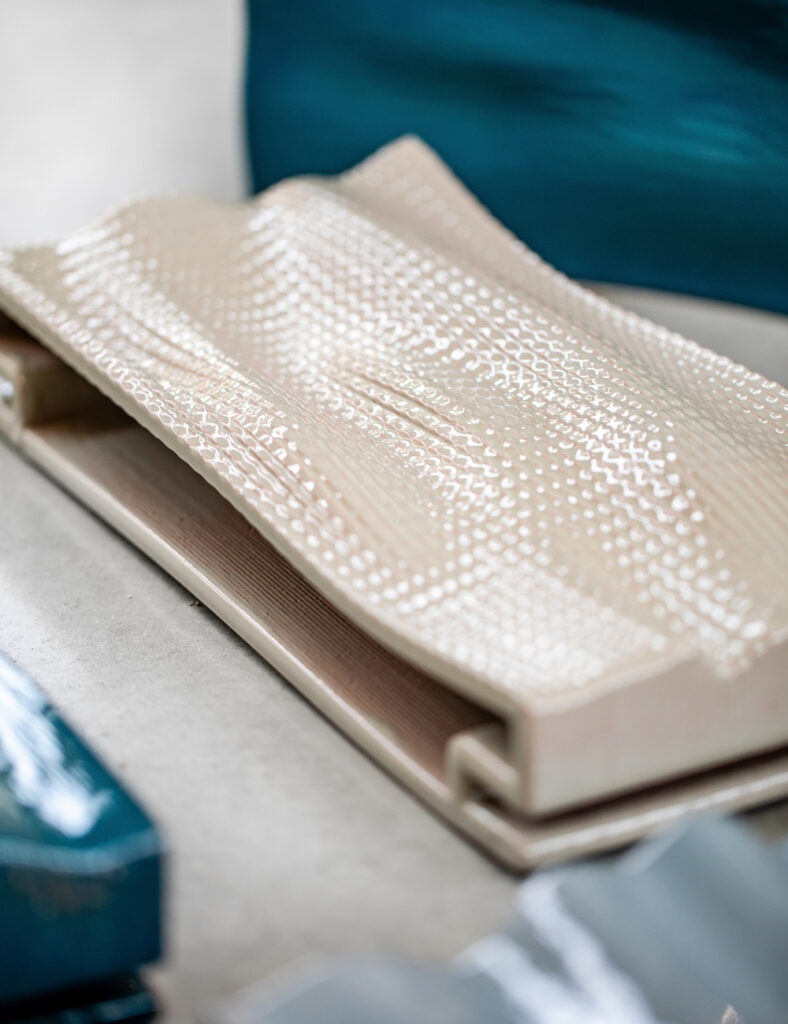
The topics the studio is working on today are located in much less flashy parts of the production line; connections, assembly, duration, cost, standards, and the way architects work with a new production system.
Digital ceramic production may look flawless on a computer screen. But a real building is not merely a single printed aesthetic piece. Facade connection, load-bearing structure, and construction site tolerances have to be part of the same decision. Designworldnews asked IOUS Studio about the next physical problem they need to solve before turning the technology into part of a real building.
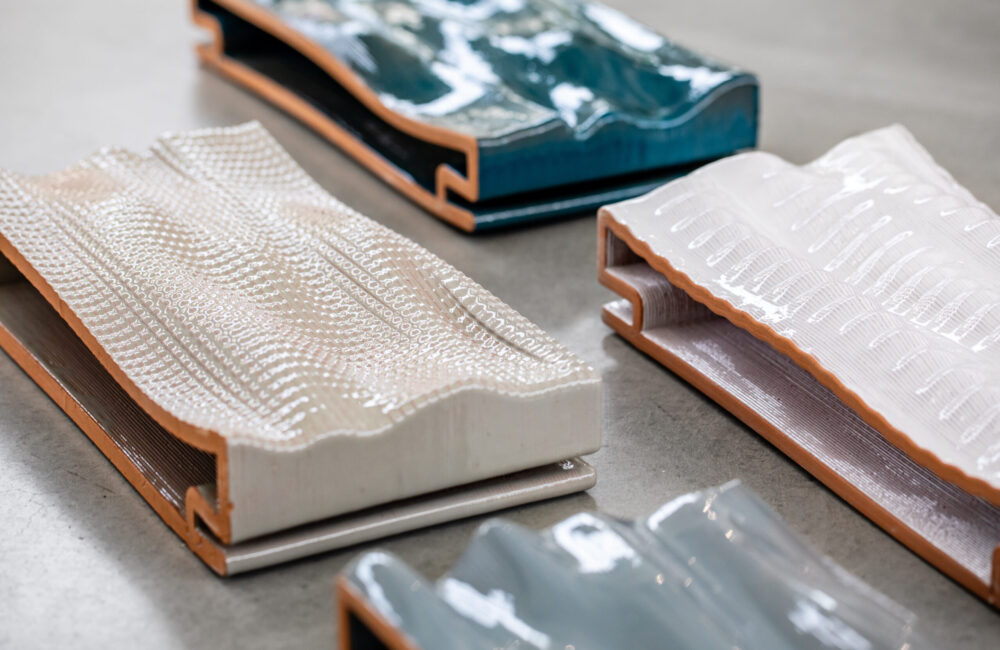
The geometry of the ceramic surface
can be produced with software,
but the attachment of that piece to the
building requires repeatable engineering.
If the connection details are not flexible, the geometric freedom provided by digital production disappears on the construction site. IOUS Studio therefore is not leaving assembly as a technical detail to be solved later. The assembly system enters into the product development process.
Ceramic, a material the construction industry knows very well. It comes with a long application history from facades to floors and interior surfaces.
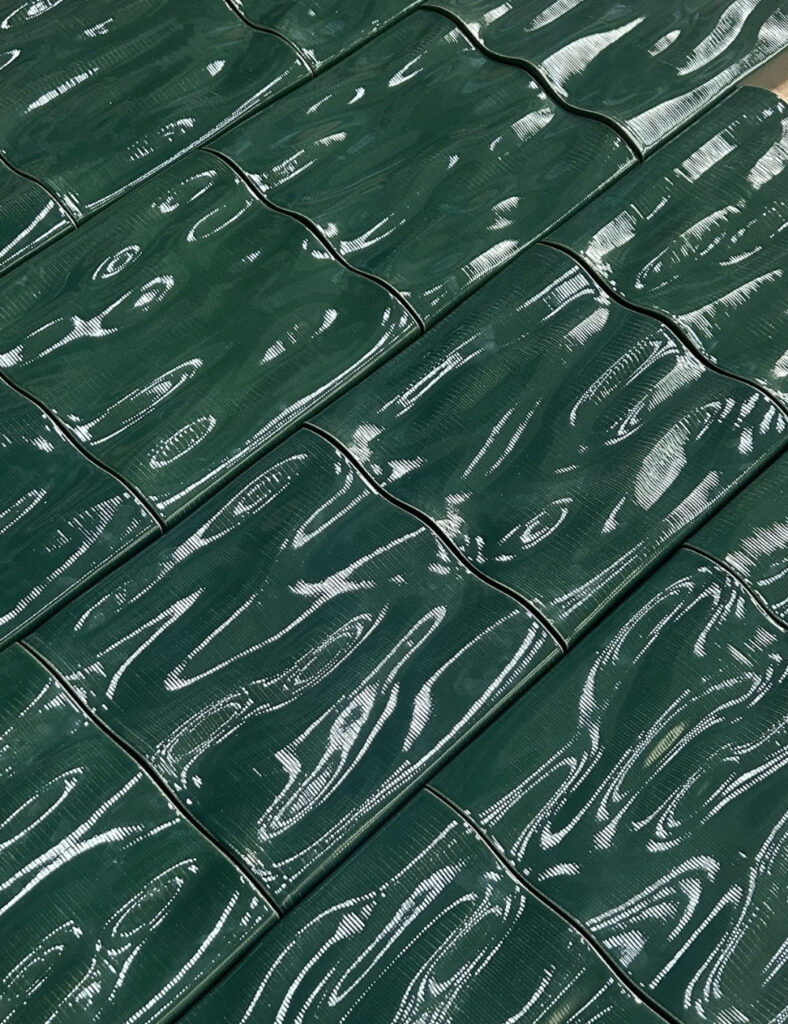
IOUS Studio’s production method is different from the supply chain architects are accustomed to.But layered production and parts that change specifically for each project create a natural pause in architectural offices.
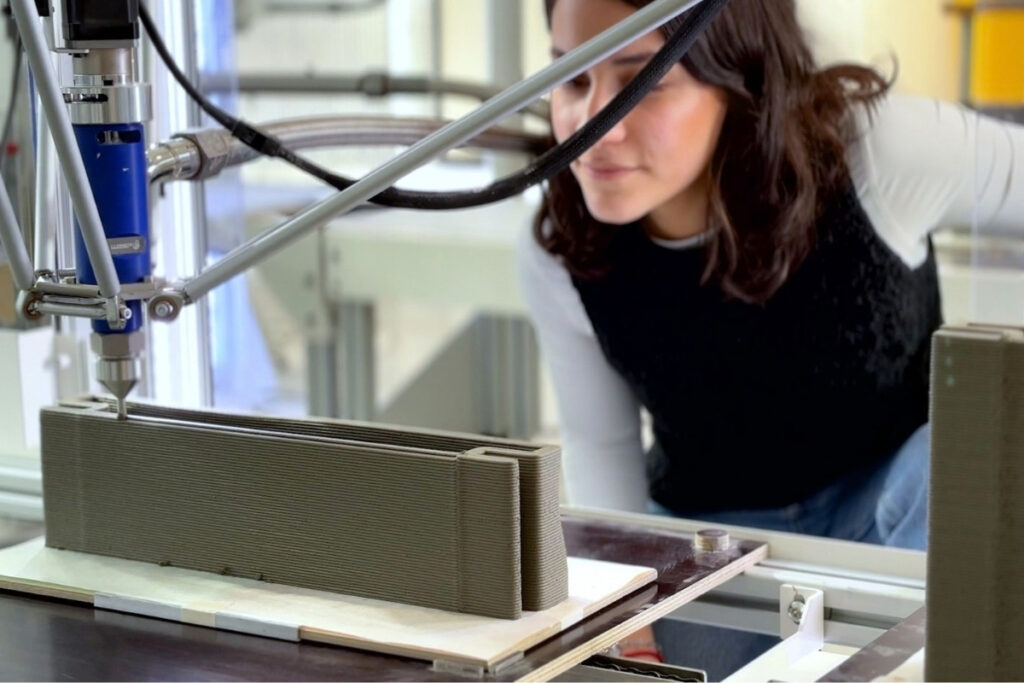
"The biggest limitation today is not the material, but familiarity with the technology. "
These questions are stretching from the design office desk to the specification. The architect rightfully wants to see the data; the facade consultant examines the connection, and the contractor examines the assembly order. The client asks about maintenance and service life.
Digital production finding a place in the market depends exactly on building this chain of technical trust.
The early years of 3D printing in the design world were discussed mostly through its formal capacity. The ability to produce complex forms without moulds was great, but at an industrial scale another reality begins; time and cost.
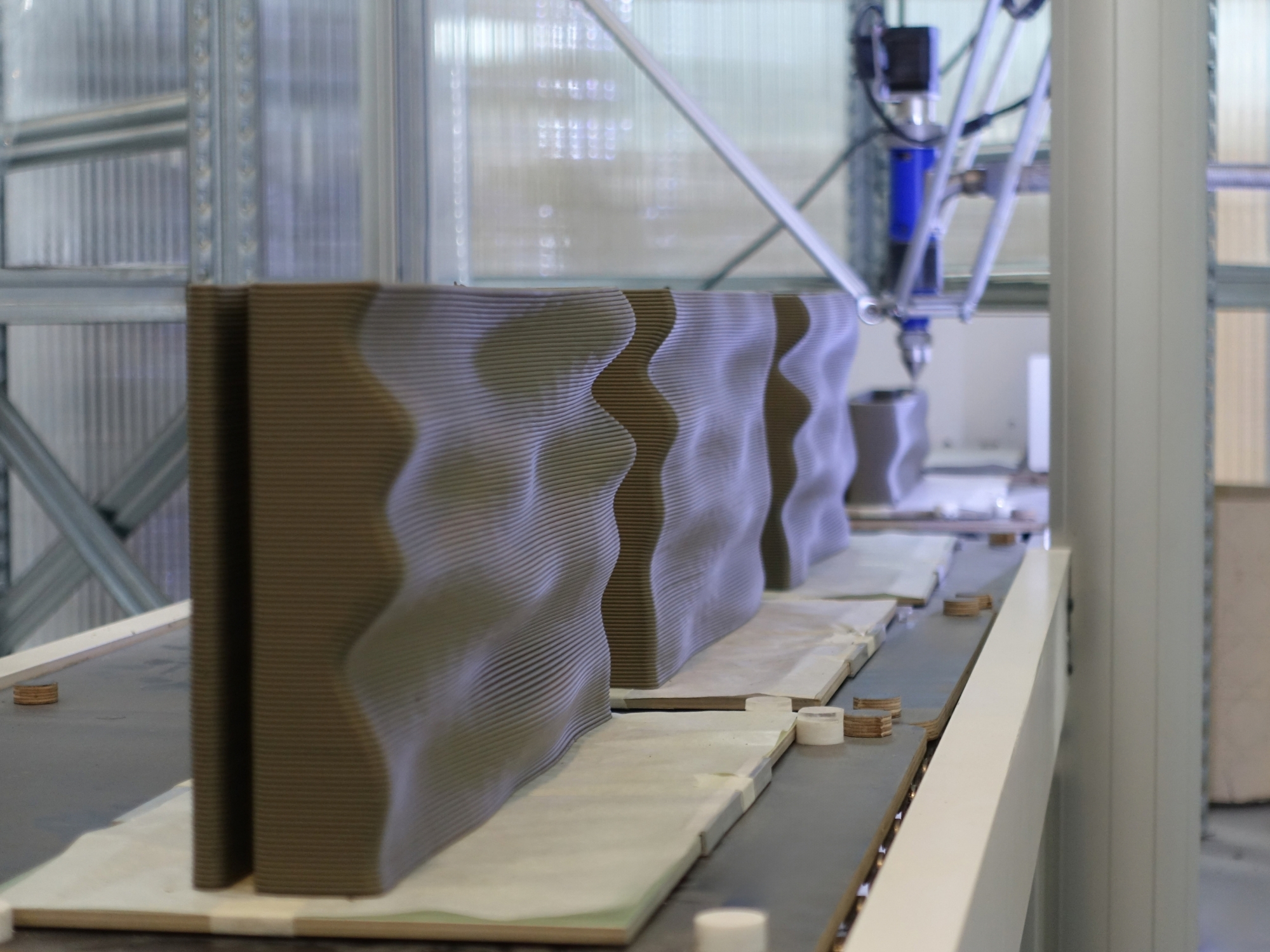
The studio used the infrastructure in Italy in 2024,
while now it is building its own laboratory in Buenos Aires.
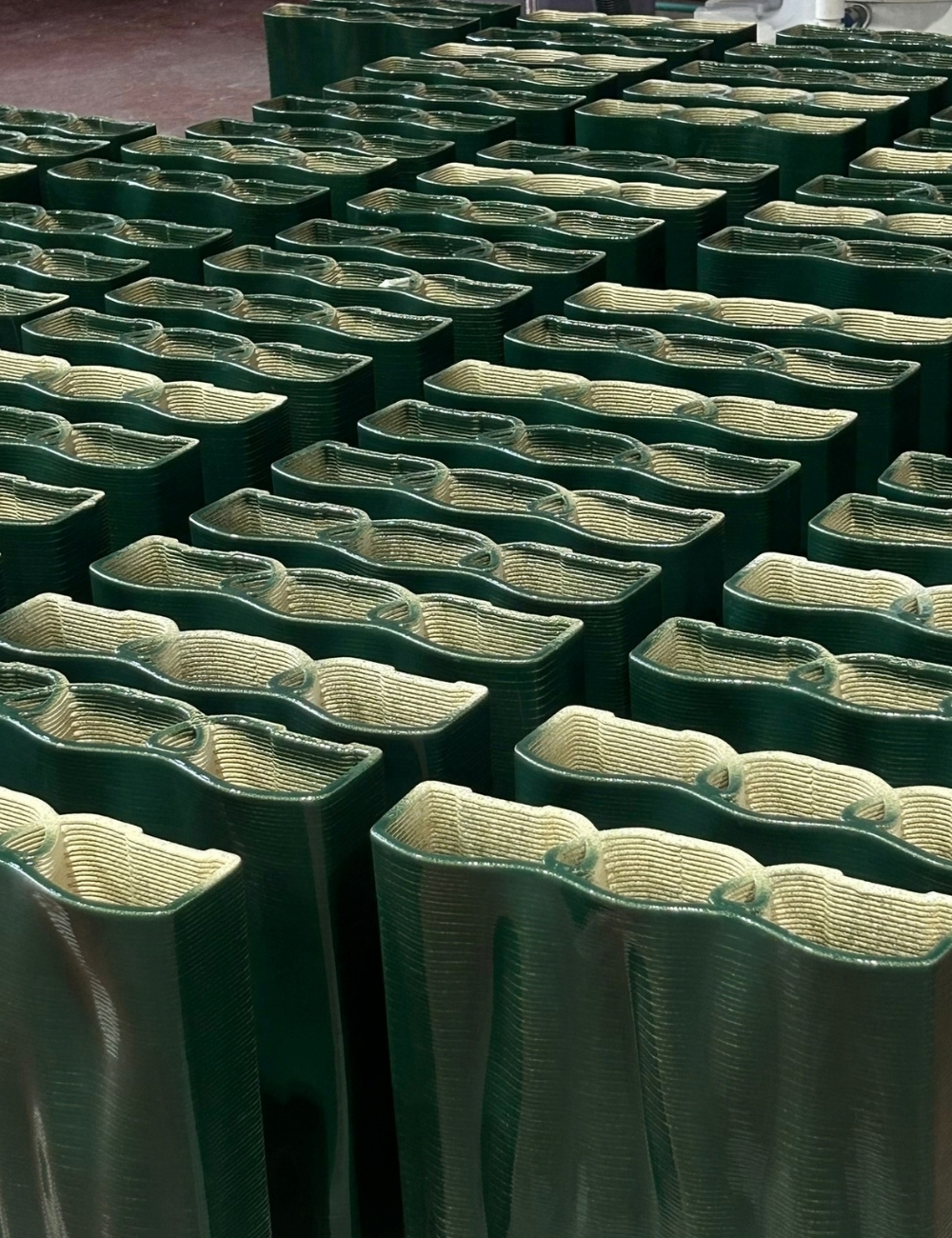
This capacity is creating an important economic variable from an architecture standpoint. Traditional mass production relies on repeating the same part in high volumes. Digital production can change the geometry of the part within the same machine line. Production of components whose size, depth, or surface behavior changes across the façade therefore doesn’t remain directly tied to the cost of separate moulds.
The production counterpart of IOUS Studio’s “mass customization” approach here emerges.
The studio used the infrastructure in Italy in 2024, while now it is building its own laboratory in Buenos Aires.
This facility is raising a bigger question about the studio’s future role. As the design practice develops its own engineering and production infrastructure, the traditional boundaries between the architecture office and the manufacturer are becoming less clear.
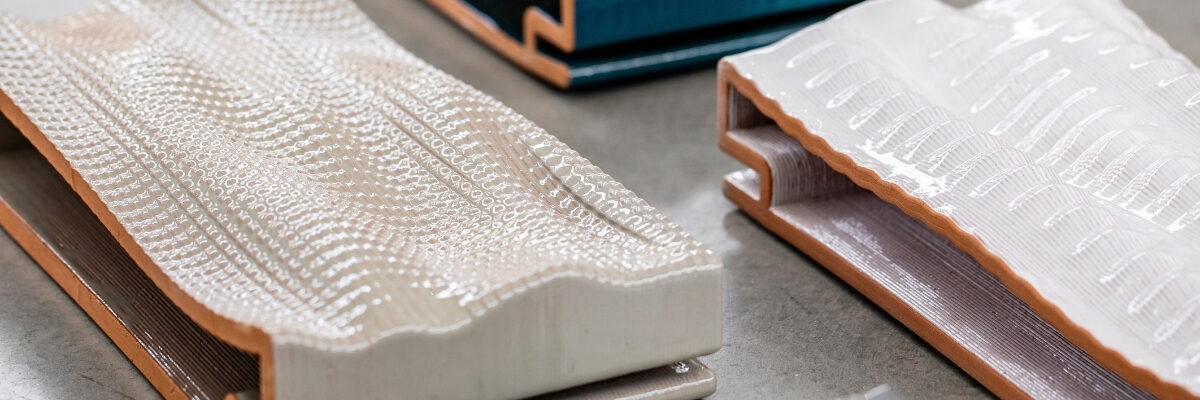
This goal expands IOUS Studio’s area of activity.If the laboratory produces only the studio’s own projects, it remains a closed R&D infrastructure. When a system working with architects, engineers, material manufacturers, and industry in the region is established, production knowledge can be transferred to other projects.
When the Buenos Aires facility is completed,
the scale of this claim can also be measured.
Collaboration capacity will be
as decisive as machine capacity.
Change in construction technology often moves slowly. Adopting an architectural system requires a much broader network than a designer’s decision: building regulations, engineering calculations, suppliers, insurance, contractors, installation teams, and clients are working within the same chain.
Instead of waiting for this sector to transform, IOUS Studio chooses to connect with existing building processes.
When a new technology requires changing the entire production system of an existing building, its area of application can become limited. Components that can connect to familiar façade and building systems, however, can be included more easily in the existing project chain.At this point, computational design is encountering the everyday tools of architectural practice.
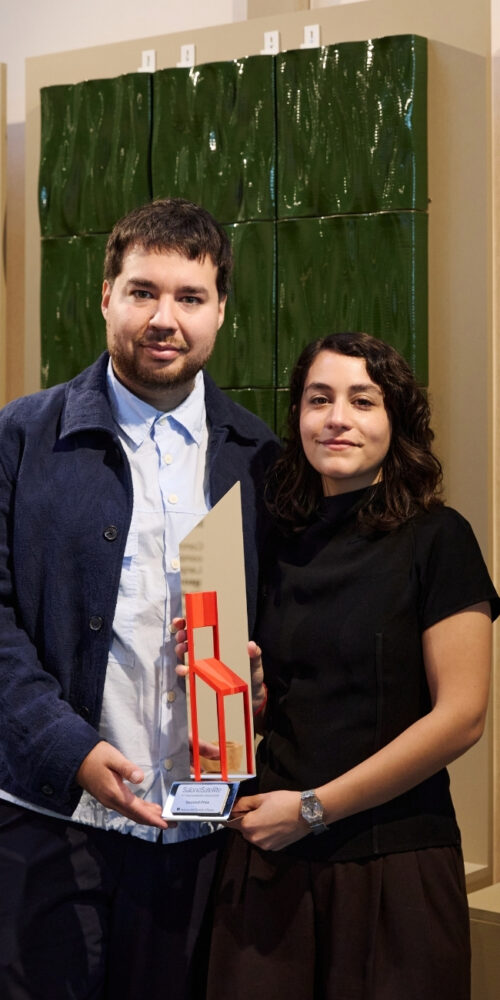
IOUS Studio
co-founders
Sol Sánchez Cimarelli and Agustín Ros received second prize at the 2026 SaloneSatellite Award for their 3DP Ceramic Tiles project.
Detail drawing, product specification, and the installation program are becoming as decisive as the algorithm.As the production scale grows, the studio’s research initiates another discussion.
The digital production network uses the same software, machines and design tools worldwide. This infrastructure gives architecture the capacity to produce unique pieces while also carrying the risk of the same digital aesthetic being repeated across different geographies.
The Buenos Aires laboratory therefore cannot be evaluated only in terms of production capacity. Where the raw material comes from, how the local producer participates in the system, and how the technology relates to the region where it is located will also affect the outcome.
"We believe technology should
reinforce local character, not erase it. "
This final answer from IOUS Studio is moving from the discussion of form in 3D-printed ceramics to a broader issue of production.Being able to change the geometry of a façade component an infinite number of times does not by itself produce locality. The source of the material, where the production infrastructure is located, the relationship established with regional industry, and how the architect uses this capacity determine the outcome.
The studio is now trying to bring all these parts together in the same system.
The next test will be carried out on the construction site.
Production time, cost, assembly, and repeatability will be the four criteria that will turn the system developed by IOUS Studio into real architectural infrastructure.
Image Credits Simone Nocetti / WASP, courtesy of IOUS Studio.