
Finland’s Transition from Forest Economy to Molecular Design
Finland’s Transition from Forest Economy to Molecular Design
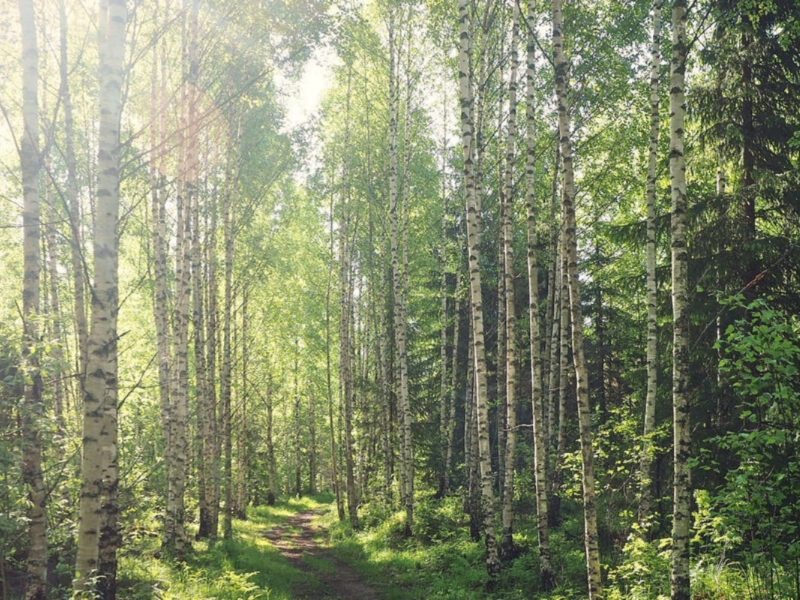
The legacy of Alvar Aalto and Artek shaped wood, over decades, as both a structural material and an aesthetic surface in the history of architecture.However, today the situation in the forest economy has changed. Finland’s 26.2 million hectares of forest and 2.55 billion cubic metres of growing stock are under significant raw-material pressure.Forest growth is slowing, global demand for paper is declining, and the annual supply of 10 million cubic metres of wood from Russia has been completely cut off.
The industry is facing a more complex question: as pressure on raw materials increases, how can greater value be extracted from existing resources at a molecular scale?
From Mass Timber to Molecular Design
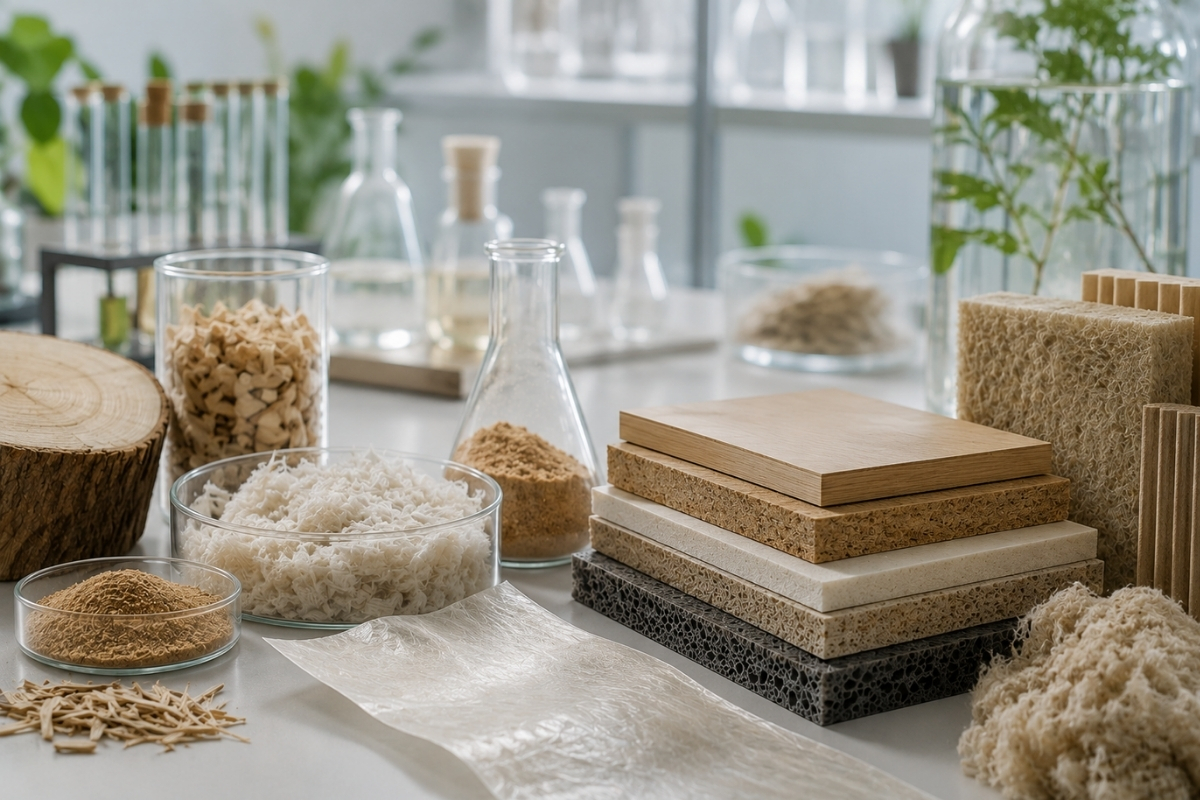
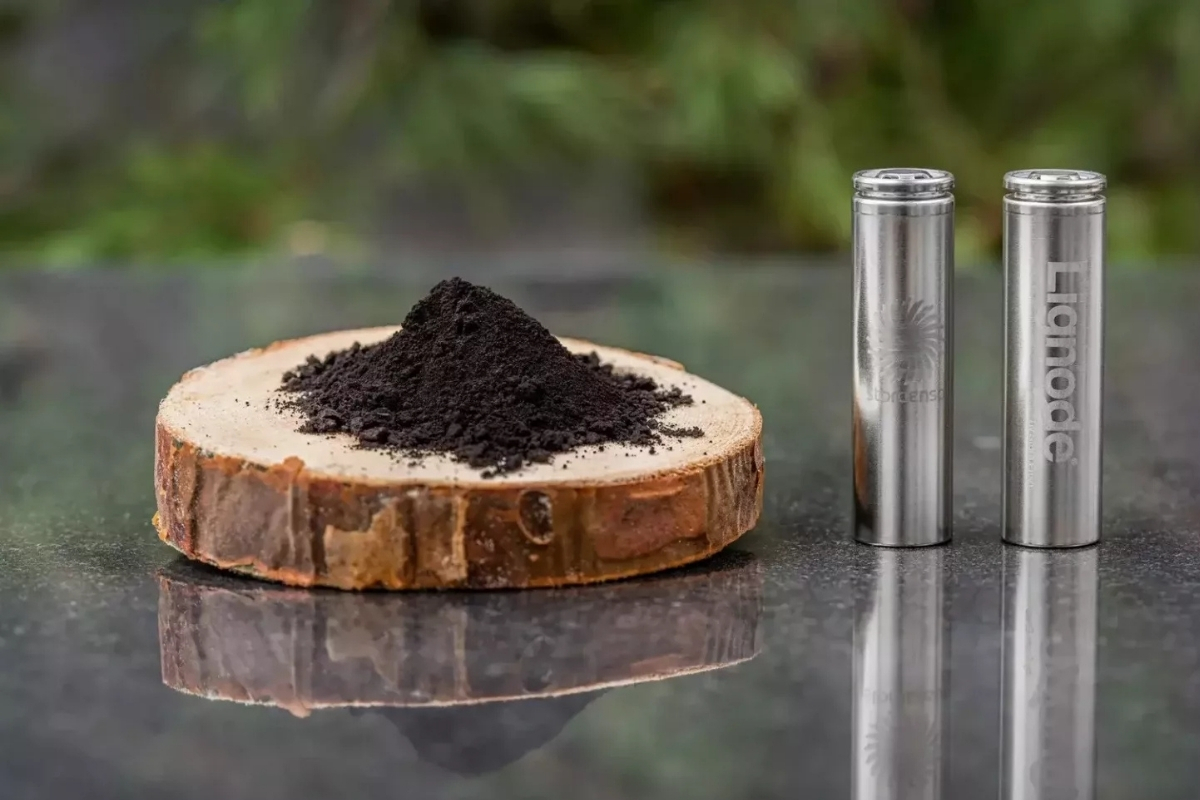
The FinnCERES platform, a collaboration between Aalto University and VTT, approaches wood not as timber, but through its cellulose, hemicellulose and lignin components.Ioncell and Spinnova are turning wood pulp into textile fibres, while Stora Enso’s Lignode project uses lignin in battery anodes for energy storage. Lumir, Fiberwood and Sulapac are developing acoustic panels and polymer alternatives from wood fibres and forest-industry by-products.
These studies present the chemical identity of the material as an area that can be shaped by the designer.The designer is no longer concerned only with selecting a finished surface, but increasingly with the technical properties that cellulose and fibres acquire during production.
The Environmental Contradiction of the Bioeconomy
Finland’s target of becoming carbon neutral by 2035 is pushing industry towards bio-based alternatives to fossil-based materials.
However, LULUCF data reveals the harsh reality behind this move:
Finland’s forest sector was a net carbon sink of 32.5 million tonnes in 2009, but had become a net carbon source of 13.5 million tonnes by 2024.
The slowdown in forest growth and high harvesting rates prove that renewable resources are not unlimited.
Every bio-based product is not automatically offering an environmental solution.On the contrary, it directly confronts the designer with the source of the material used, the method of production, and its cost to nature.
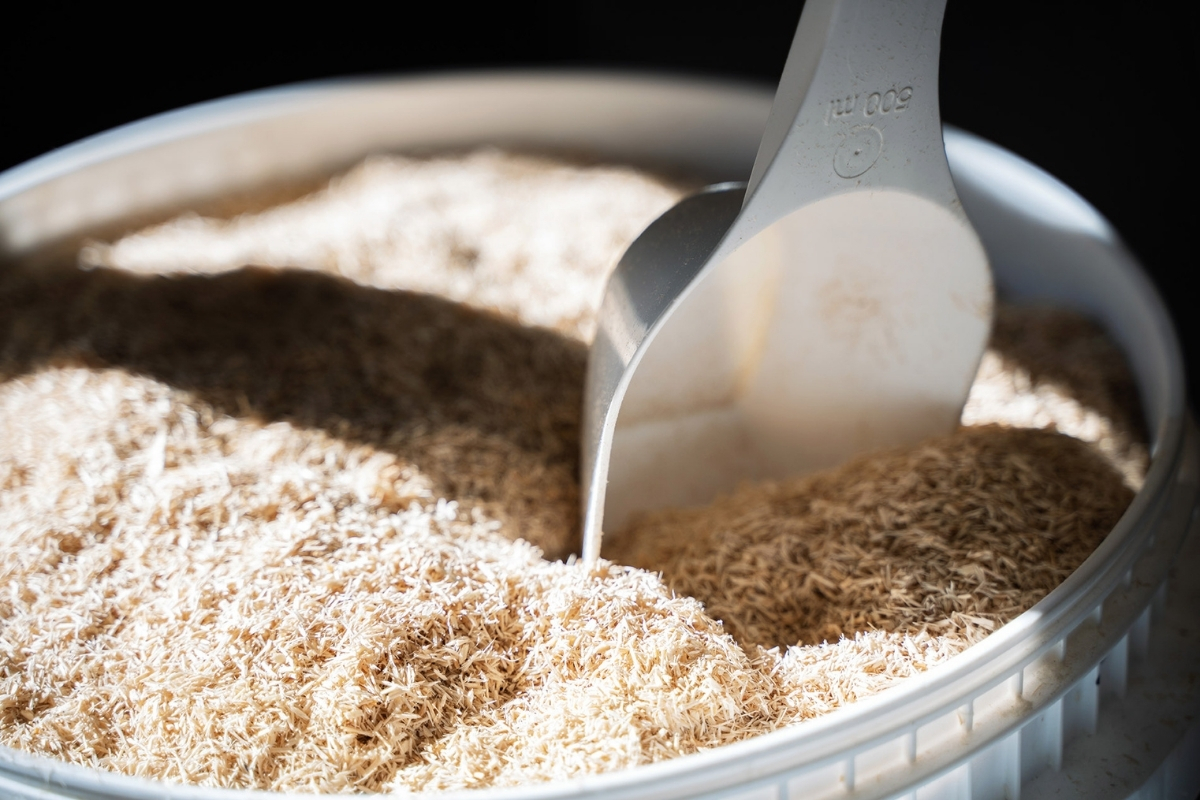
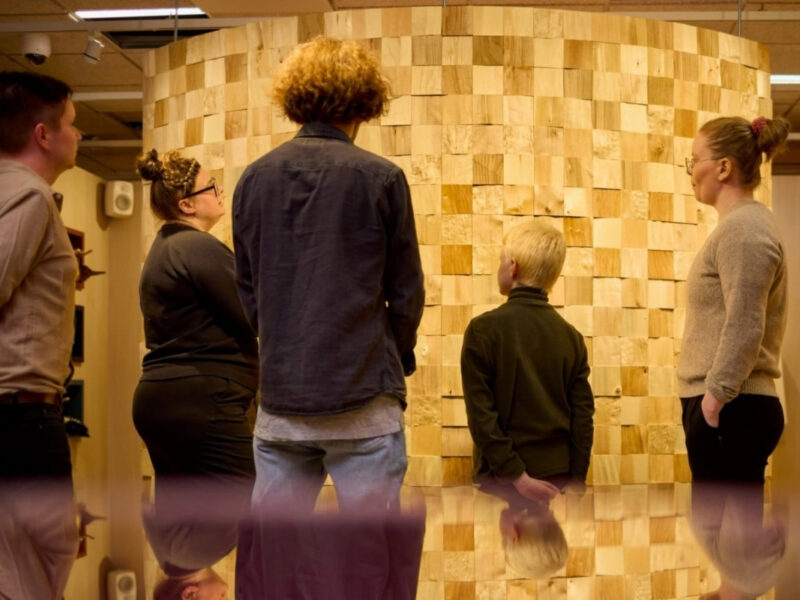
Stora Enso and Koskisen’s formaldehyde-free NeoLigno panels, Fiberwood’s insulation panels and Lumir’s wood-fibre acoustic surfaces provide concrete architectural applications of this research.
From Raw-Material Volume to an Industrial Value Hierarchy
Reading Finnish material research simply as an exploration of alternative uses for wood would be to miss the scale of the industrial transformation.This process is a strategy to turn each component of the tree into the highest possible added value in the forest economy.
The question is no longer only how much a tree can provide as timber, but how much industrial value its components can deliver when separated and developed at a molecular scale. Finland’s material republic shows that design is no longer a play of form, but a direct molecular responsibility.
Finland’s Transition from Forest Economy to Molecular Design
Image Credits: