Younghusband Woolstore and the True Value of a Building
The Younghusband Woolstore redevelopment in Melbourne offers a good example of how a historic industrial building can be carried into the future.
Woods Bagot not only gave a former wool warehouse new functions, but also demonstrated how a genuinely sustainable project can be achieved through the minimum possible level of intervention.
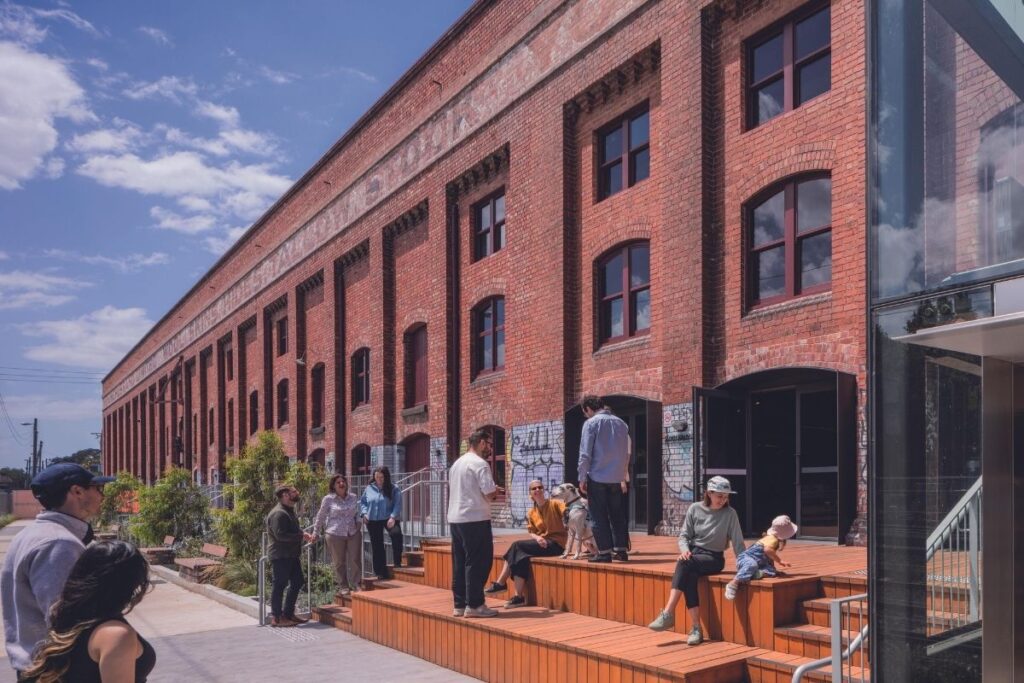
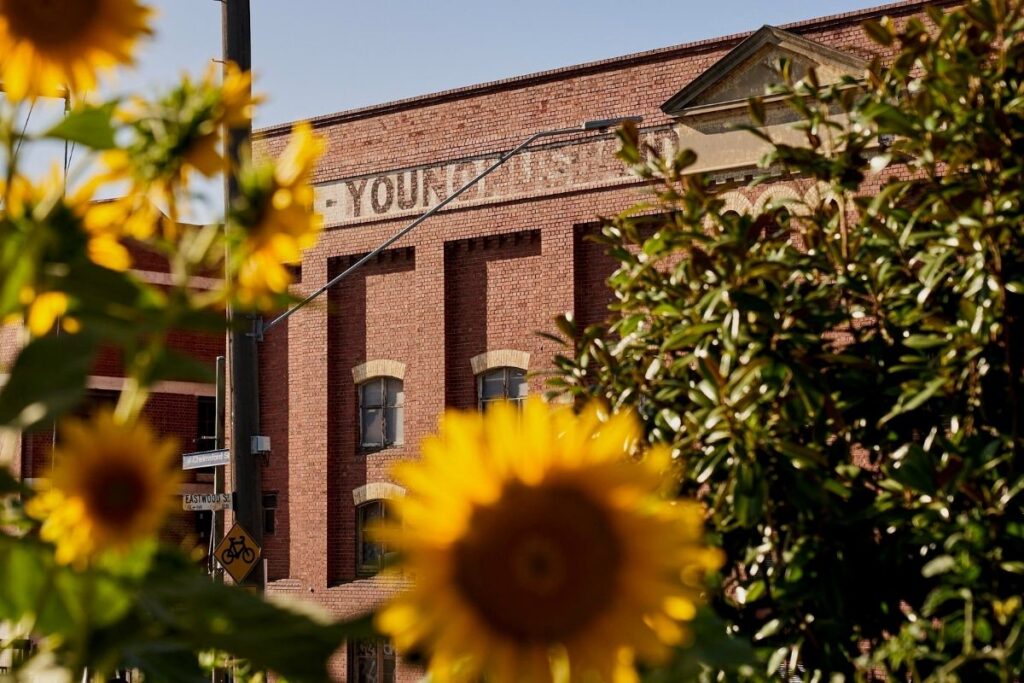
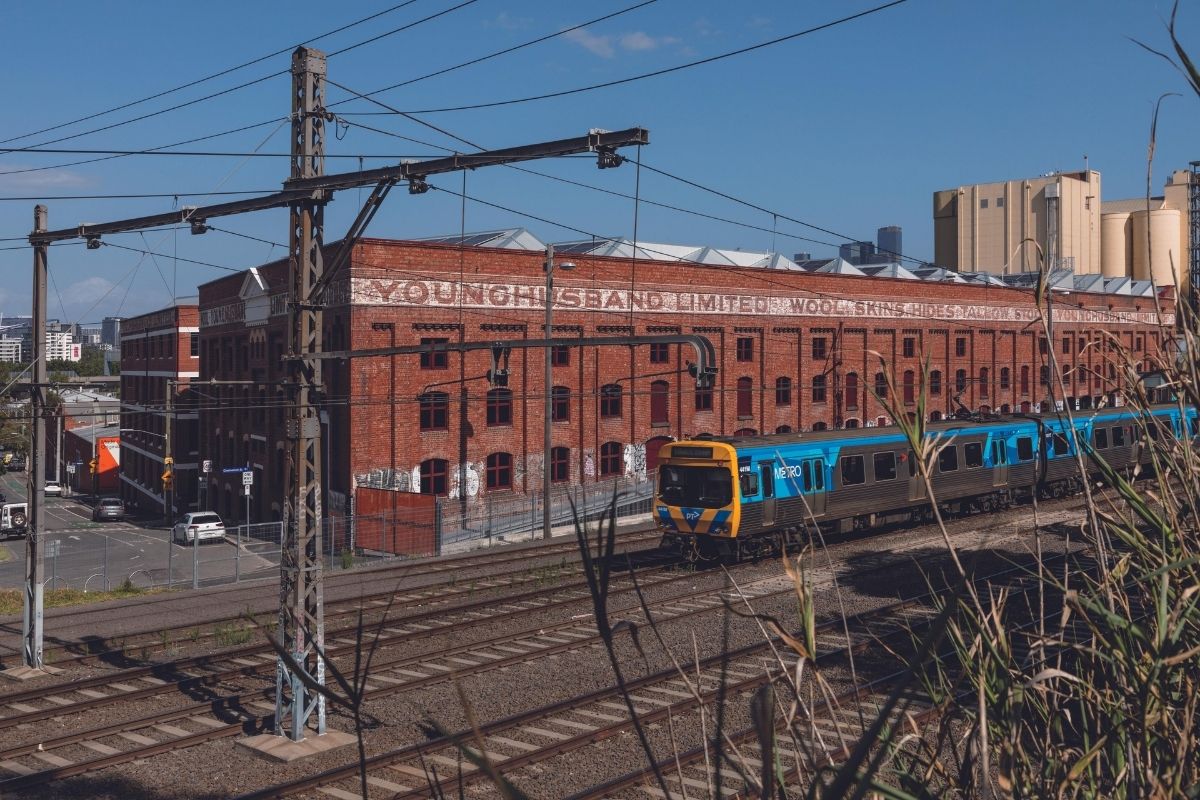
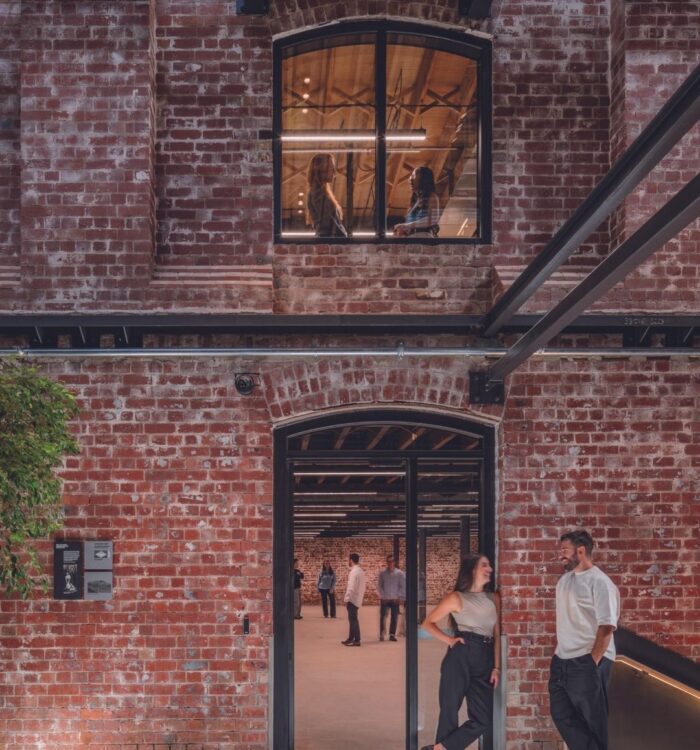
So much so that painted signs, steel-framed windows and the original roof structure were carefully preserved throughout the project. The building itself became a good source of raw materials.
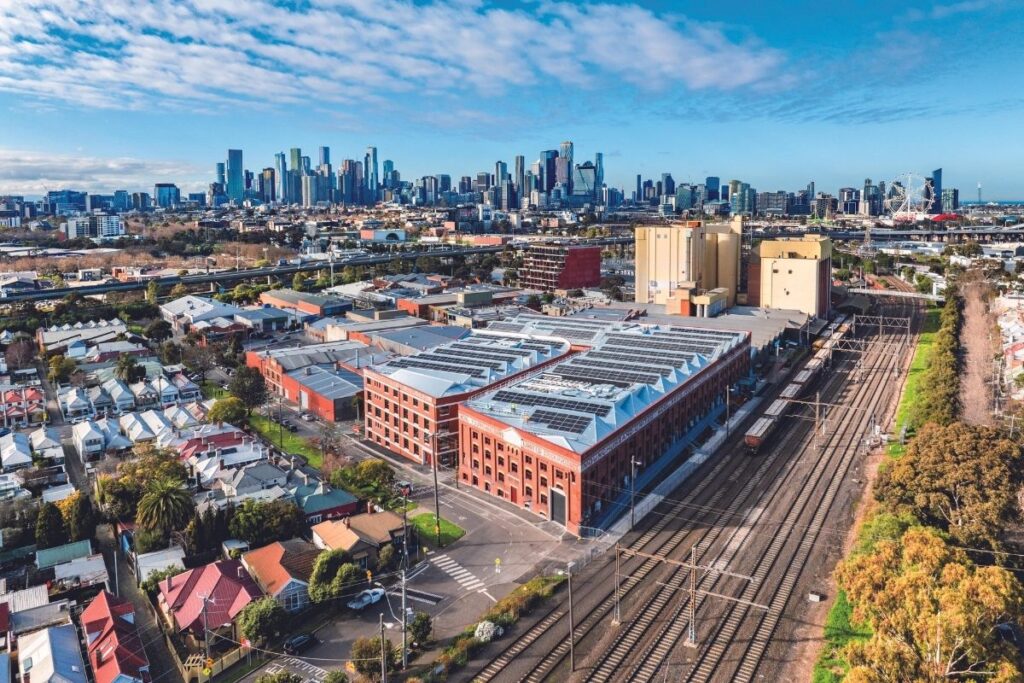
The complex was constructed in 1901 during the expansion of Australia’s wool trade. For more than sixty years, the red-brick structure served as an important hub within Australia’s global agricultural and wool export network.
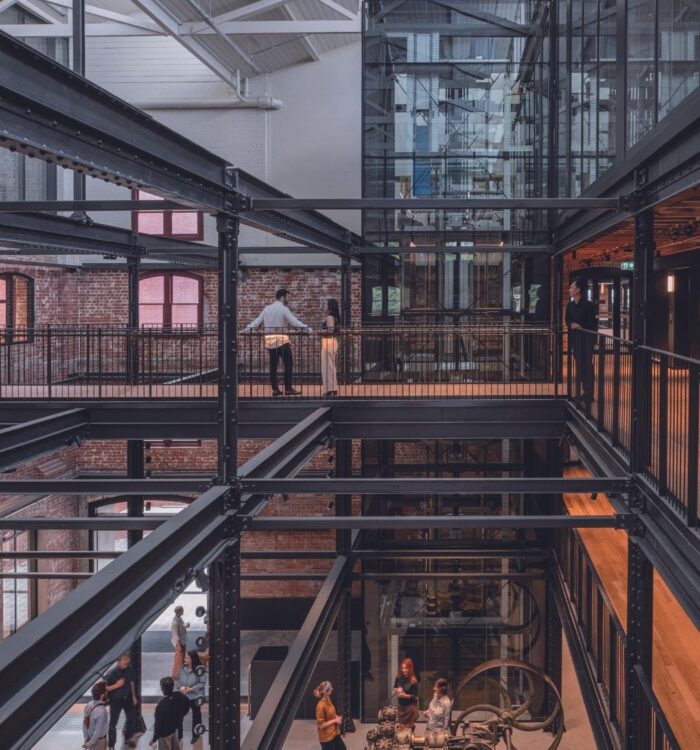
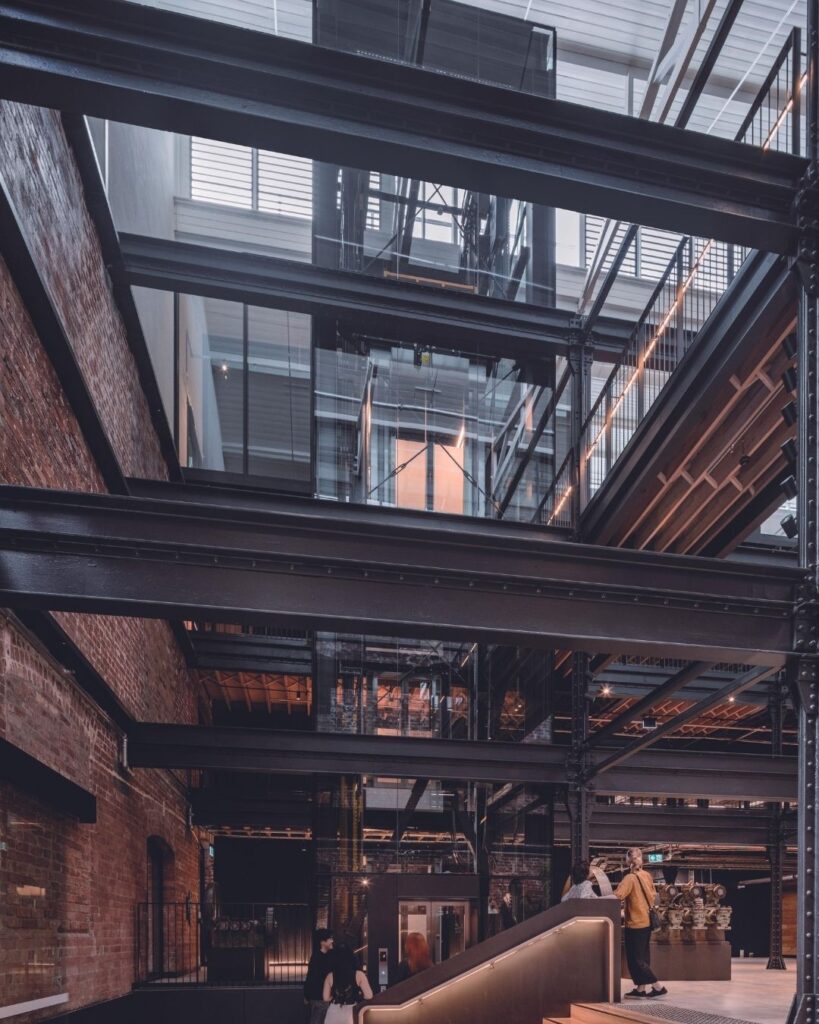
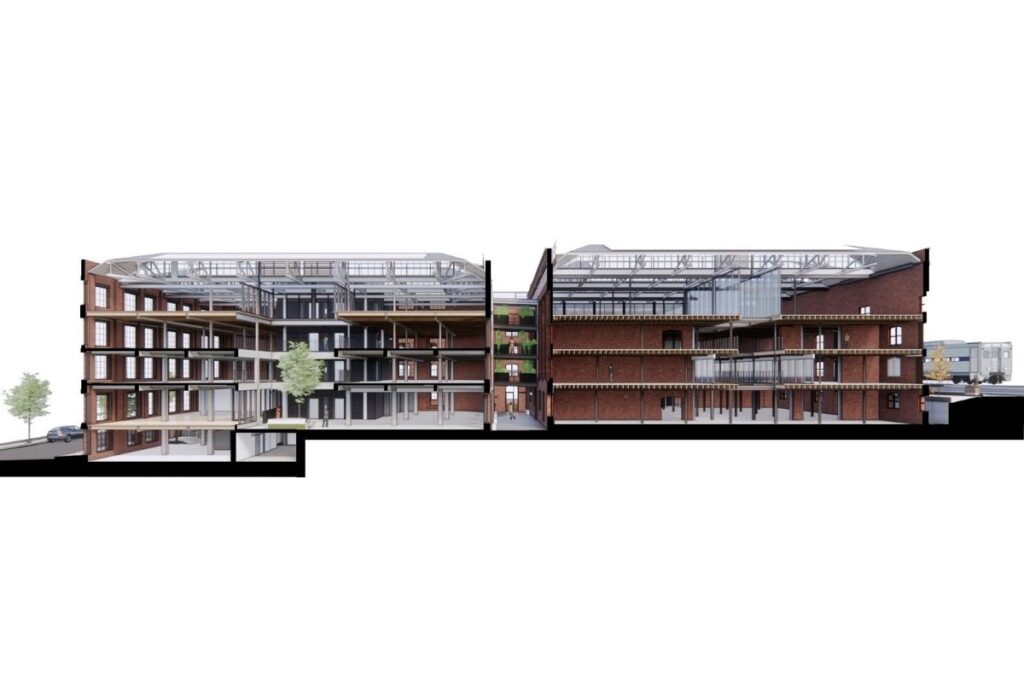
High ceilings, deep floor plates, robust timber columns and the sawtooth roof were preserved from that period to the present day.
On the other hand, it is worth noting how high the quality of the materials used in this wool warehouse was in the early 1900s. Materials were brought from Ireland, England and from all over the world. So much so that the steel system and columns used in the building date from the same period as the Sydney Harbour Bridge.
So what happened during the legal and regulatory process of bringing the building back into use?
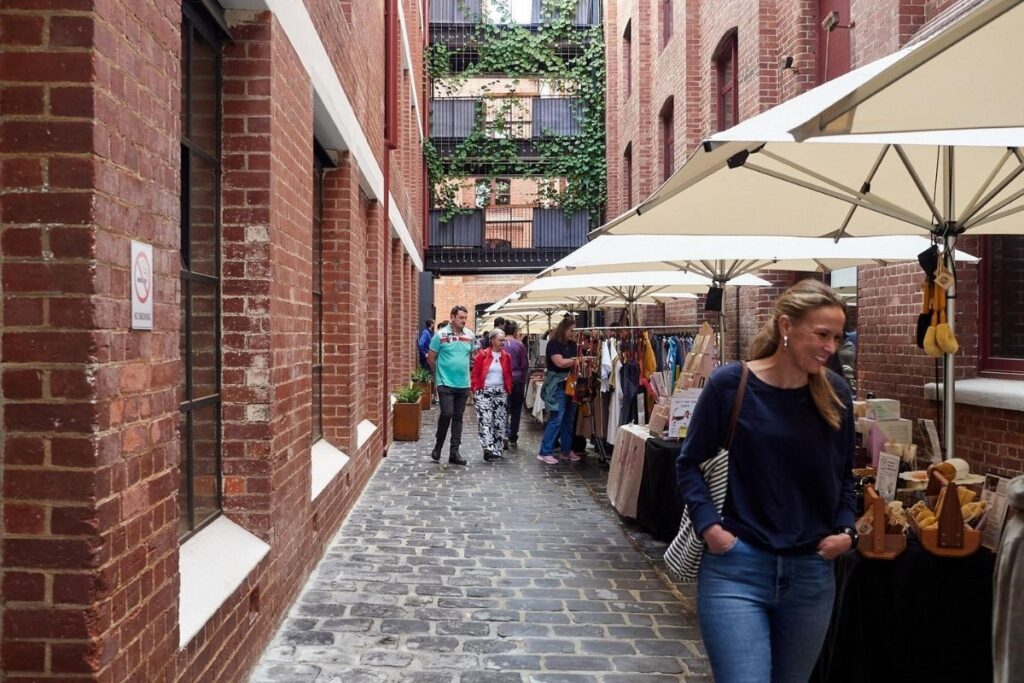
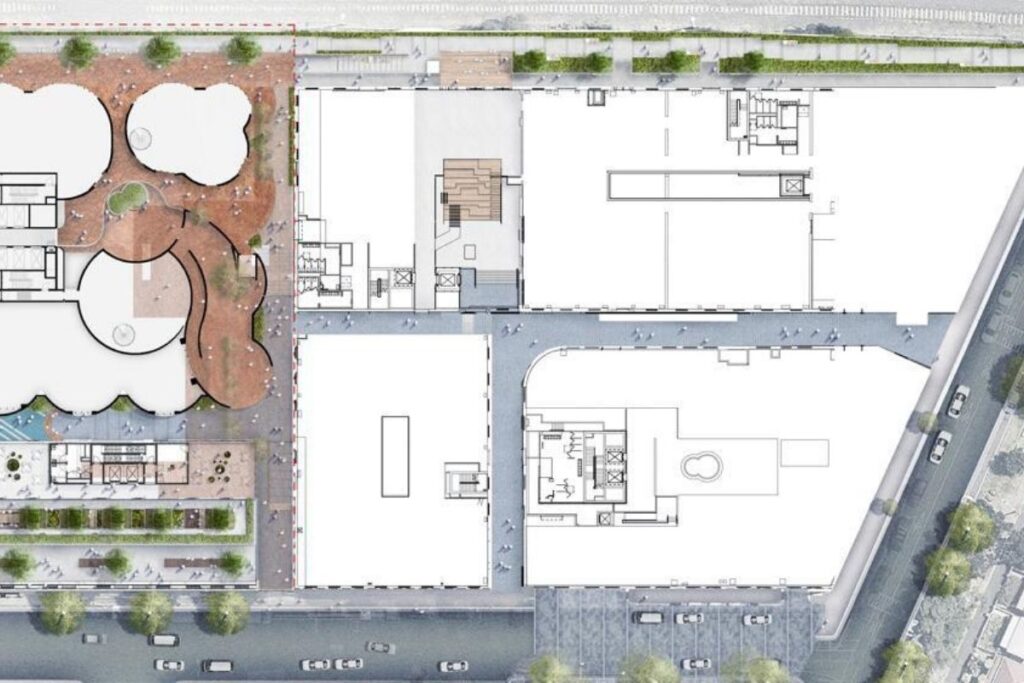
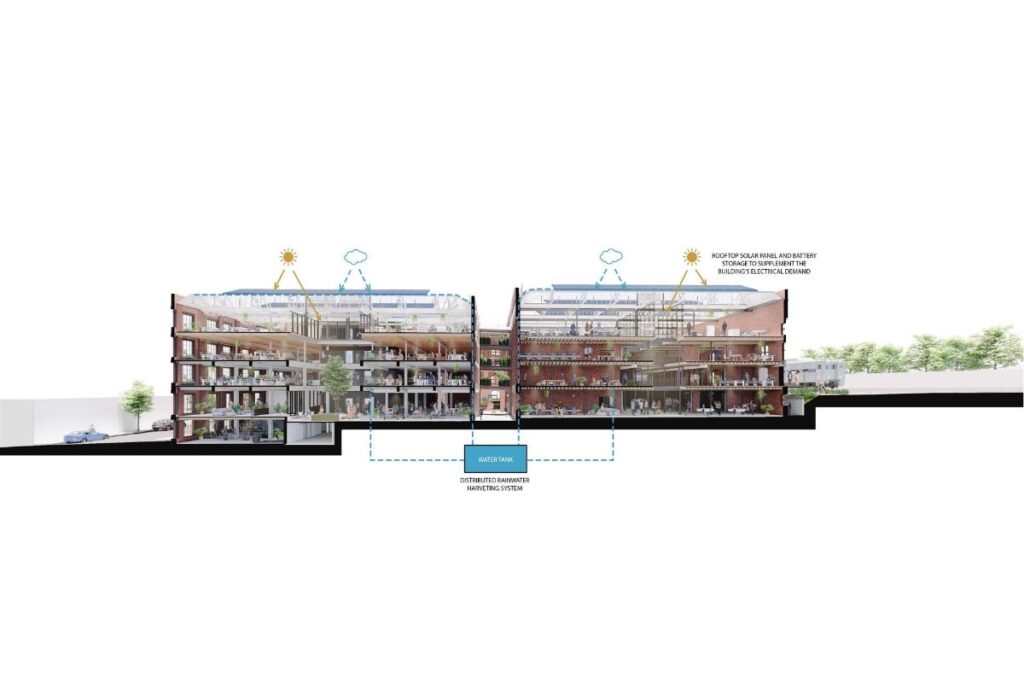
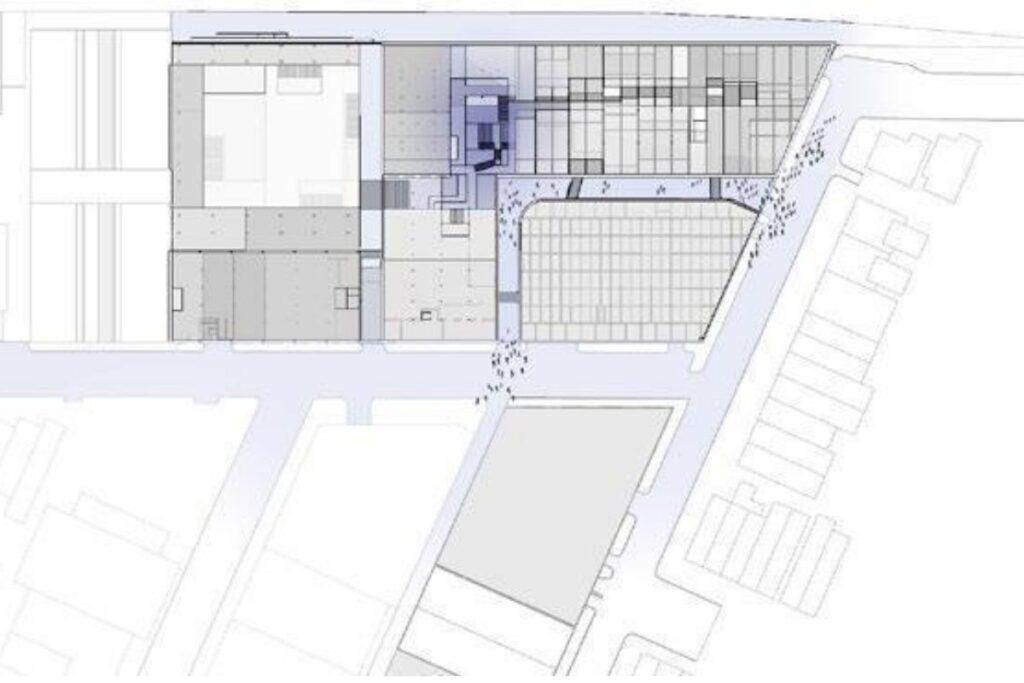
The building was brought into compliance with earthquake, fire and accessibility codes.Transparent fire-retardant coatings and Special fire-stopping barrier applications were carried out.. To provide barrier-free access, the street paving stones were removed one by one and reinstalled as a smooth surface. Modern building services were integrated into the lift shafts that once carried wool bales through the warehouse. Solar panels and a battery storage system were added to the roof to meet the building’s energy needs. A rainwater harvesting tank installed.
Woods Bagot’s approach : not freezing historic buildings as objects of the past, but bringing them into contemporary urban life.
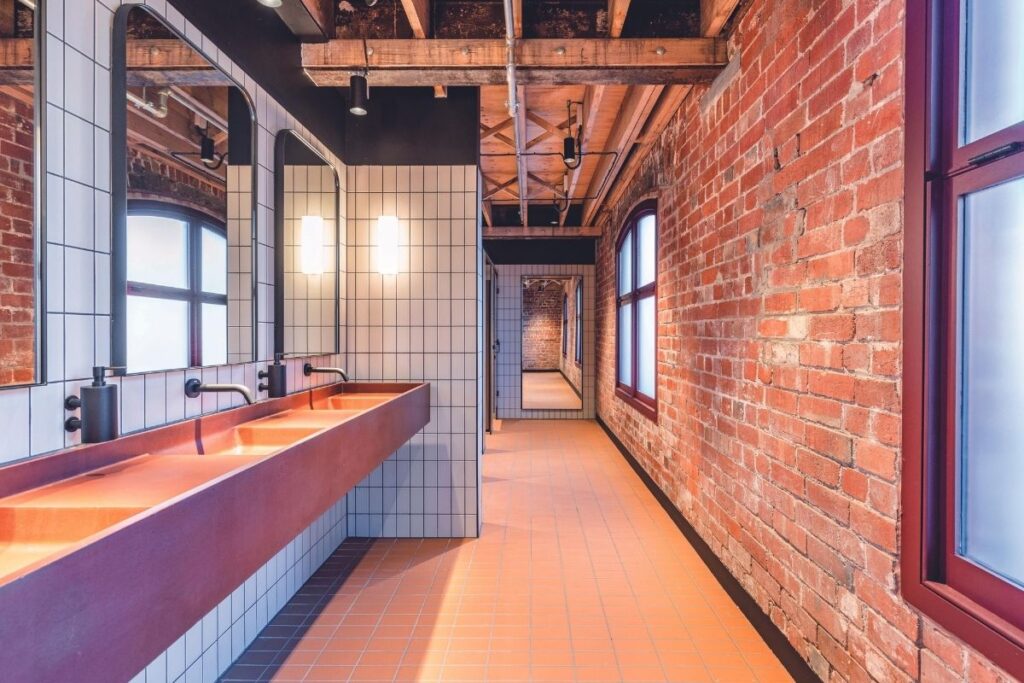
It can be seen that with far less intervention, as little new material as possible, and the preservation of more than 90 per cent of the existing brick, steel and timber fabric, preventing carbon emissions is possible.
The real issue ; touching lightly.
The project involved working with local craftspeople.
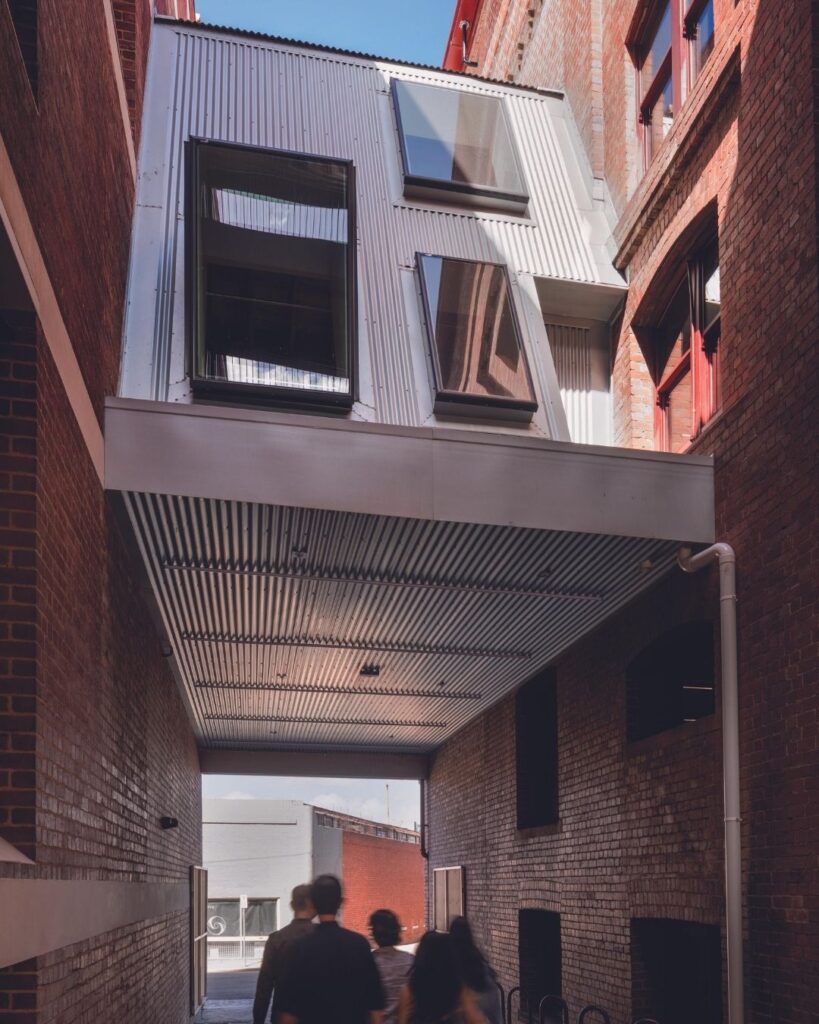
Furniture maker and joinery specialist The Timber Trip has worked with reclaimed timber since 1994 and produced balustrade edges for the Younghusband public connection bridges. Nails were removed from timber collected from the construction site, then the timber was planed and stripped back, revealing the texture of the Douglas fir beneath.
Kelvin Ryan and his team specialise in handcrafted steel windows and doors and were responsible for some of the most recognisable elements of the project: durable steel frames and distinctive factory-style windows with large glass panels. Original windows were preserved, double glazing was added, and the new windows introduced on the upper level were made to remain faithful to the originals.
Steven Bellosguardo salvaged and restored old machinery and rural artefacts, turning them into artworks for the City Square. Many of the pieces date back to the 1920s and were made from cast iron, hardened steel and brass.
Woods Bagot is committed to the careful preservation of the past.This approach also applies to the craftspeople and artists involved in the project.One of the clearest reasons behind the strength of the Younghusband Woolstore project is Woods Bagot’s decision to work alongside artists who shared the same mission.
This is the real strength of the team.
Project Information
Project Name: Younghusband Woolstore Redevelopment (Stage 1)
Architecture Firm: Woods Bagot
Location: Kensington, Melbourne, Australia
Client: Built, Ivanhoe Cambridge and Irongate
Project Type: Adaptive Reuse / Mixed-Use
Original Construction Date: 1901
Design Process: 2016–2024
Completion: 2024 (Stage 1)
Operational Completion: 2026
Total Area: 17,560 m²
Design Approach: Light Touch, Material Preservation and Adaptive Reuse
Sustainability Data:
84% reduction in embodied carbon
More than 90% of existing building elements retained
330 kW rooftop solar energy system
Photography: Woods Bagot